Key Takeaways
- Thorough toilet cleaning should include the bowl, seat, lid, tank, handle, base, and surrounding floor areas.
- Persistent odors often come from hidden sources such as mineral buildup, mold, leaks, or bacteria under the rim and around the base.
- Regular use of disinfectants, toilet bowl cleaners, baking soda, and vinegar can help keep toilets clean and fresh.
- Proper ventilation plays an important role in reducing moisture, preventing mold growth, and controlling bathroom odors.
- Routine inspections can help identify plumbing issues such as damaged seals, leaks, or drainage problems before they become serious.
- Cleaning tools, trash cans, and nearby bathroom surfaces should be maintained regularly to prevent odors from returning.
- Consistent cleaning schedules and preventative maintenance are the best ways to keep bathrooms sanitary and odor-free.
A clean bathroom can make an entire home feel fresher and more comfortable. While many people focus on sinks, mirrors, and floors, the toilet is often the most important fixture to clean regularly. Unfortunately, it is also one of the areas most likely to develop stains, bacteria, and unpleasant odors.
Toilet odors can be frustrating because they often return even after a quick cleaning. In many cases, lingering smells come from areas that are commonly overlooked, such as the toilet base, tank, seat hinges, or surrounding floor. Eliminating odors for good requires more than simply scrubbing the bowl. It involves cleaning the entire toilet system and addressing any underlying issues that may be causing persistent smells.
The good news is that with the right tools, cleaning methods, and maintenance habits, homeowners can keep their toilets fresh, sanitary, and odor-free. This guide explains how to clean a toilet thoroughly and prevent unpleasant bathroom odors from returning.
Why Toilet Cleaning Matters
A toilet is one of the most frequently used fixtures in a home.
Without regular cleaning, it can develop:
- Mineral deposits
- Bacteria buildup
- Mold growth
- Stains
- Unpleasant odors
Routine cleaning helps:
- Improve hygiene
- Reduce germs
- Prevent stains
- Eliminate smells
- Extend fixture lifespan
Keeping toilets clean contributes to a healthier and more pleasant living environment.
Gather the Right Cleaning Supplies
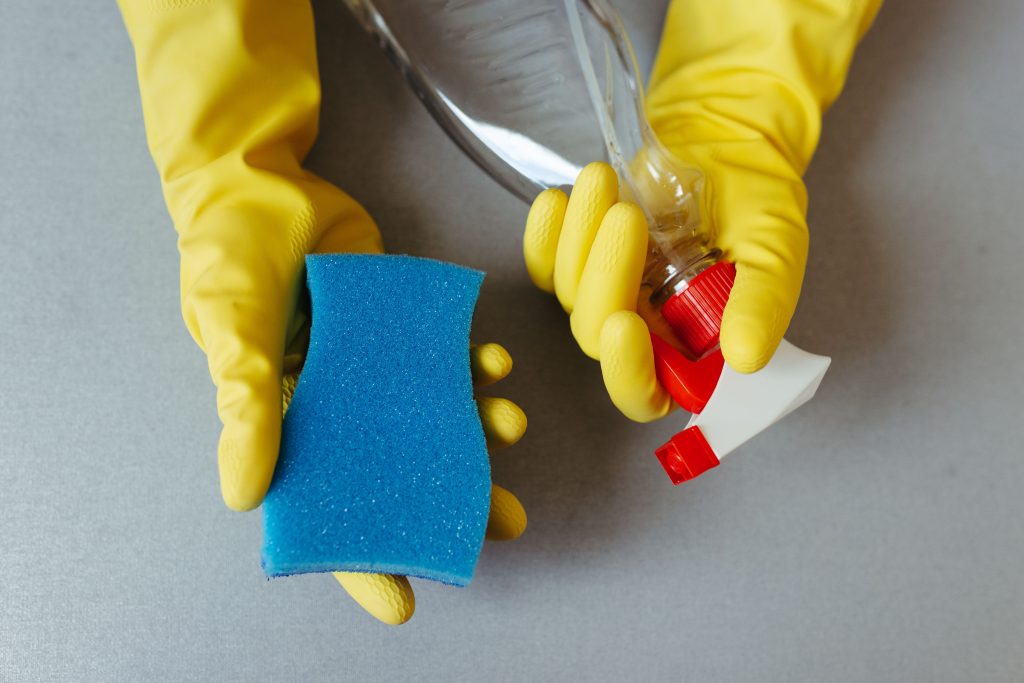
Before you begin, gather everything needed for a thorough cleaning.
Common supplies include:
- Toilet bowl cleaner
- Disinfecting spray
- Toilet brush
- Microfiber cloths
- Rubber gloves
- Paper towels
- Baking soda
- White vinegar
Having all supplies ready makes the process more efficient.
Open Windows and Improve Ventilation
Bathroom cleaning products can produce strong odors.
Before cleaning:
- Open windows
- Turn on exhaust fans
- Improve airflow
Good ventilation helps:
- Reduce chemical exposure
- Speed drying
- Improve comfort
Ventilation also helps remove existing bathroom odors.
Start With the Toilet Bowl
The bowl is often the first area people clean.
Apply Toilet Bowl Cleaner
Apply cleaner around:
- The rim
- Bowl sides
- Water line
Allow the cleaner to sit for several minutes.
This gives it time to break down:
- Stains
- Mineral deposits
- Bacteria
Follow product instructions for best results.
Scrub Thoroughly
Use a toilet brush to clean the entire bowl.
Focus on:
- Water line stains
- Under the rim
- Hard-to-reach areas
Many odors originate from areas under the rim where bacteria can accumulate.
Thorough scrubbing helps remove hidden buildup.
Flush and Inspect
After scrubbing:
- Flush the toilet
- Check for remaining stains
- Repeat if necessary
Persistent stains may require additional cleaning treatments.
Regular maintenance helps prevent heavy buildup.
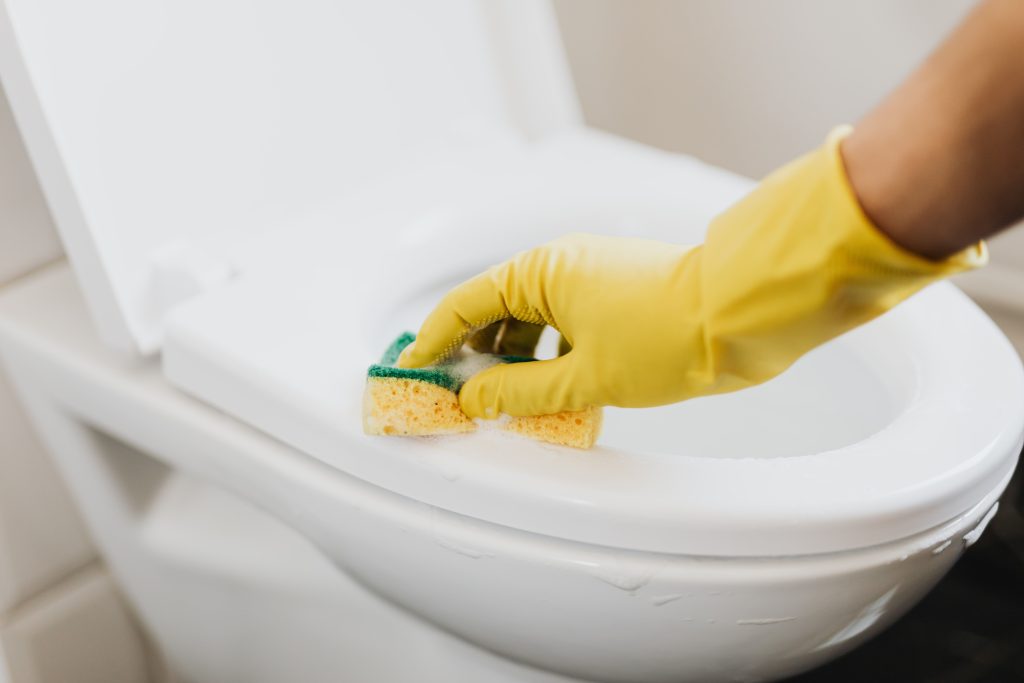
Clean the Toilet Seat
The toilet seat is one of the most frequently touched surfaces in the bathroom.
Use a disinfecting cleaner on:
- Top surface
- Underside
- Hinges
Pay close attention to hinges because dirt and bacteria often collect there.
Wipe dry with a clean cloth.
Disinfect the Lid
The toilet lid is often overlooked during routine cleaning.
However, dust, bacteria, and moisture can accumulate on its surface.
Clean:
- Top of lid
- Underside of lid
- Edges and corners
A complete cleaning should include every visible surface.
Wipe the Toilet Tank
Many people forget to clean the tank exterior.
The tank can collect:
- Dust
- Water spots
- Fingerprints
Use a disinfecting cleaner and microfiber cloth.
Clean:
- Front
- Sides
- Top
- Handle
A clean tank contributes to the overall appearance of the bathroom.
Sanitize the Flush Handle
The flush handle is one of the most touched surfaces in the bathroom.
Because of frequent contact, it can harbor germs and bacteria.
Disinfect:
- Front
- Back
- Surrounding areas
Regular sanitizing improves bathroom hygiene.
Clean Around the Toilet Base
Odors often originate from the area surrounding the toilet.
Dust, hair, and moisture can collect around the base.
Use a disinfecting cleaner to clean:
- Floor around toilet
- Base edges
- Behind the toilet
Many persistent smells disappear once these hidden areas are cleaned.
Don’t Forget Behind the Toilet
The space behind the toilet is easy to ignore.
However, it often collects:
- Dust
- Dirt
- Moisture
- Hair
These materials can contribute to unpleasant odors.
Clean behind the toilet regularly to maintain freshness.
Use Baking Soda for Extra Odor Control
Baking soda is a natural deodorizer.
Sprinkle baking soda:
- Around the toilet base
- Inside the bowl
Allow it to sit before cleaning.
Benefits include:
- Odor absorption
- Gentle cleaning
- Safe use
Many homeowners use baking soda as part of routine bathroom maintenance.
Try White Vinegar for Mineral Deposits
Hard water can leave mineral buildup inside toilets.
White vinegar helps dissolve:
- Calcium deposits
- Mineral stains
- Hard water residue
Pour vinegar into the bowl and allow it to sit before scrubbing.
Vinegar can also help reduce odor-causing buildup.
Check for Hidden Leaks
Persistent toilet odors may indicate plumbing issues.
Inspect for:
- Water around the base
- Damp flooring
- Tank leaks
- Loose connections
Leaks can contribute to:
- Mold growth
- Mildew
- Musty odors
Addressing leaks quickly helps maintain a cleaner bathroom.
Inspect the Wax Ring
The wax ring seals the toilet to the drain pipe.
A damaged wax ring may cause:
- Sewer odors
- Water leaks
- Floor damage
Signs of Wax Ring Problems
- Persistent sewer smell
- Water pooling near the base
- Unstable toilet
A plumber may be needed to replace a faulty wax ring.
Clean the Toilet Tank Interior
Many homeowners never clean inside the tank.
Over time, the tank can develop:
- Mineral buildup
- Mold
- Bacteria
Tank Cleaning Steps
- Turn off the water supply.
- Flush the toilet.
- Empty the tank.
- Clean interior surfaces.
- Rinse carefully.
Periodic tank cleaning helps improve overall toilet cleanliness.
Address Mold and Mildew
Bathrooms provide ideal conditions for mold growth.
Inspect areas around:
- Toilet base
- Walls
- Flooring
- Caulking
Mold can create:
- Musty odors
- Discoloration
- Health concerns
Prompt removal helps maintain a healthier environment.
Use Toilet Cleaning Tablets Carefully
Cleaning tablets placed in tanks or bowls can help maintain freshness.
Benefits may include:
- Reduced stains
- Improved scent
- Easier maintenance
However, some products may affect internal components over time.
Always follow manufacturer recommendations.
Clean Nearby Bathroom Surfaces
Sometimes odors are not coming directly from the toilet.
Nearby surfaces can contribute to bathroom smells.
Clean:
- Floors
- Baseboards
- Cabinets
- Walls
A complete bathroom cleaning often provides better odor control than focusing on the toilet alone.
Improve Bathroom Ventilation
Moisture encourages:
- Mold
- Mildew
- Odors
Improve ventilation by:
- Running exhaust fans
- Opening windows
- Keeping air moving
Good airflow helps bathrooms stay fresher longer.
Empty Bathroom Trash Regularly
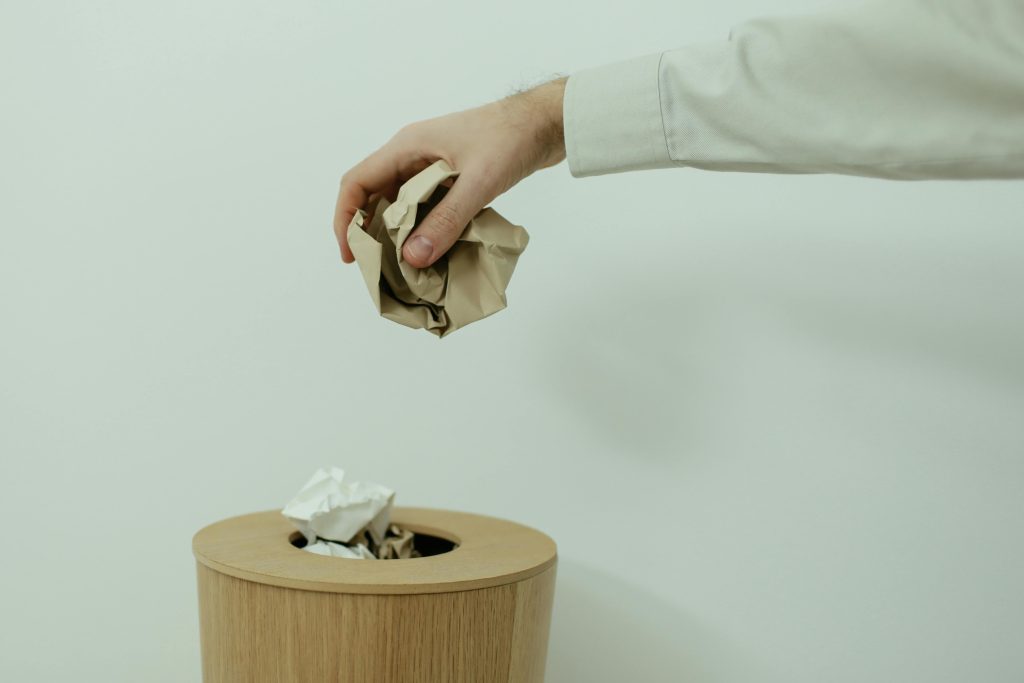
Trash cans can become significant odor sources.
Items such as:
- Tissues
- Hygiene products
- Packaging
can create unpleasant smells.
Regular trash removal helps maintain freshness.
Clean Toilet Brushes Properly
A dirty toilet brush can spread bacteria and odors.
After use:
- Rinse thoroughly
- Disinfect regularly
- Allow to dry completely
Proper brush maintenance supports overall bathroom cleanliness.
Create a Regular Cleaning Schedule
Routine cleaning prevents major odor problems.
Weekly Tasks
- Clean bowl
- Disinfect surfaces
- Wipe floor
Monthly Tasks
- Deep clean tank
- Inspect for leaks
- Check ventilation
Consistency is often the key to odor prevention.
Consider Water Quality
Hard water can contribute to:
- Stains
- Mineral buildup
- Cleaning challenges
If hard water is a problem, consider:
- Water softeners
- Descaling treatments
Managing water quality can simplify bathroom maintenance.
Prevent Moisture Buildup
Excess moisture contributes to many odor issues.
Ways to reduce moisture include:
- Using exhaust fans
- Fixing leaks
- Drying wet surfaces
Controlling moisture helps reduce mold and mildew growth.
Know How Plumbing Issues Affect Odors
Sometimes cleaning alone will not eliminate smells.
Possible plumbing causes include:
- Clogged vents
- Drain issues
- Sewer line problems
- Damaged seals
If odors persist despite thorough cleaning, professional inspection may be necessary.
Protect Floors and Fixtures
Maintaining toilets properly can also help homeowners learn how to prevent water damage in bathrooms.
Small leaks that go unnoticed can damage:
- Flooring
- Subfloors
- Cabinets
- Walls
Regular inspections help identify problems before they become expensive repairs.
Natural Ways to Keep Bathrooms Smelling Fresh
Simple habits can improve bathroom freshness.
Examples include:
- Daily ventilation
- Frequent cleaning
- Baking soda use
- Regular trash removal
These small steps help maintain long-term cleanliness.
Common Toilet Cleaning Mistakes
Cleaning Too Quickly
Allow cleaners time to work effectively.
Ignoring Hidden Areas
Odors often originate in overlooked locations.
Using Dirty Cleaning Tools
Contaminated brushes and cloths can spread bacteria.
Skipping Regular Maintenance
Waiting too long between cleanings allows buildup to accumulate.
When to Call a Professional
Professional help may be necessary if:
- Sewer odors persist
- Water leaks continue
- Toilets rock or shift
- Plumbing issues are suspected
Some odor problems originate within the plumbing system rather than the fixture itself.
Final Thoughts
Keeping a toilet clean and odor-free requires more than occasional bowl scrubbing. A truly fresh bathroom depends on cleaning every part of the toilet, including the seat, lid, tank, handle, base, and surrounding floor. Addressing hidden sources of odors such as leaks, mineral deposits, mold, and damaged seals is equally important.
Regular maintenance, proper ventilation, and consistent cleaning habits can prevent unpleasant smells from returning. By combining deep cleaning techniques with routine upkeep, homeowners can create a cleaner, healthier, and more comfortable bathroom environment.
With the right approach, it is possible to eliminate toilet odors for good and keep your bathroom smelling fresh every day.