
Every year, millions of homeowners unknowingly lose hundreds of dollars to the invisible structural inefficiencies of their homes. We dutifully turn off lights when leaving a room, lower the thermostat by a couple of degrees at night, and swap out old incandescent bulbs for modern light-emitting diodes. While these small behavioral tweaks are excellent habits, they only scratch the surface of true residential energy conservation. They represent a passive approach to saving money. To unlock exponential, long-term reductions in your utility costs, you must shift toward active, strategic infrastructure investments. Optimizing your home means addressing the root causes of energy waste: thermal bridging, mechanical degradation, fluid friction, and atmospheric exposure. When your home functions as a cohesive, sealed, and mechanically advanced ecosystem, your monthly operational expenses drop naturally.
Protect Your Home from Radiant Heat Gain

The roof over your head bears the brunt of intense solar radiation throughout the spring and summer. Standard dark asphalt shingles act like thermal sponges, absorbing this radiant energy and transferring it directly into your attic space, where temperatures can easily climb above 130 degrees Fahrenheit.
- Specify reflective materials: Transitioning to cool-roofing technologies during your next exterior renovation can completely transform your home’s thermal dynamics. Highly reflective architectural shingles or treated metal standing-seam roofs bounce up to 60 percent of solar radiation away from the building.
- Balance attic ventilation: A properly engineered roof requires a continuous, balanced flow of air. Combining continuous ridge vents with active soffit intake vents allows hot air to escape naturally by convection, keeping attic spaces close to ambient outdoor temperatures.
- Mitigate cooling demand: By keeping your attic cooler, you directly reduce the heat radiating through your upstairs ceilings, lowering your summer electrical bills.
When planning these significant structural modifications, partnering with certified roofing services ensures that the correct net-free ventilating area is calculated for your specific roof pitch and square footage.
Wrap Your Structural Framing in a Thermal Blanket
While many homeowners focus heavily on interior wall insulation, they often overlook a major source of energy loss known as thermal bridging. This phenomenon occurs because solid wooden wall studs conduct heat far more efficiently than the insulation packed between them. Every stud acts as a thermal highway, allowing heat to bypass your insulation entirely.
- Eliminate structural drafts: During a major siding remodel, contractors can install a continuous layer of rigid foam insulation directly over the exterior plywood sheathing before installing the new finish material. This effectively wraps the entire house in an unbroken thermal blanket.
- Upgrade to insulated materials: Utilizing premium, heavy-gauge vinyl or composite cladding with integrated foam backing adds an extra layer of structural R-value to your exterior walls.
- Protect internal systems: A well-sealed exterior stops micro-drafts from infiltrating your wall cavities, protecting your electrical boxes and plumbing lines from extreme temperature swings.
Investing in a comprehensive siding replacement is the single best window of opportunity to install these advanced weather-resistant barriers and continuous insulation systems, permanently lowering your base heating and cooling demands.
Invest in High-Efficiency Variable-Speed Cooling
Traditional cooling systems operate much like a standard light switch—they are either completely off or running at 100 percent capacity. This binary operation causes rapid temperature swings, excessive humidity spikes, and high electrical current draws every time the compressor starts up.
- Adopt variable-capacity technology: Modern climate control systems utilize inverter-driven compressors that can adjust their operating speed precisely between 40 percent and 100 percent capacity. They run for longer, quieter cycles at lower speeds, consuming a fraction of the power while maintaining a perfectly steady indoor climate.
- Optimize seasonal efficiency: Upgrading to a system with a high Seasonal Energy Efficiency Ratio, or SEER2 rating, guarantees that you receive more cooling output per watt of electricity consumed.
- Enhance indoor comfort: Because these advanced systems run continuously at lower speeds, they pull significantly more moisture out of the indoor air, allowing you to set your thermostat a few degrees higher without sacrificing physical comfort.
Upgrading to a modern, high-efficiency air conditioning system completely eliminates the energy penalties associated with short-cycling, saving you substantial amounts of money during peak summer heatwaves.
Schedule Seasonal Calibrations to Prevent Performance Drag

Even the most advanced climate control system will experience a steady decline in efficiency if it is left neglected. Dust accumulation on indoor evaporator coils, dirt buildup on outdoor condenser fins, and slightly depleted refrigerant levels force the system’s motors to work significantly harder to move heat.
- Restore factory-spec efficiency: Regular professional cleanings remove the microscopic barriers of grime that insulate your system’s heat exchangers, allowing for rapid, uninhibited thermal transfer.
- Verify electrical electrical draws: Technicians measure capacitor values, tighten loose wire connections, and test amp draws on fan motors to ensure no component is pulling excessive current from your breaker panel.
- Extend equipment lifespan: Preventing small operational imbalances keeps major components from overheating, stopping premature mechanical failures before they happen.
Securing a recurring, twice-yearly HVAC service agreement ensures that your machinery is fully optimized before the arrival of extreme summer and winter weather, preserving your system’s efficiency ratings for years to come.
Transition to On-Demand or Hybrid Thermal Systems
Old-style storage water heaters suffer from continuous standby heat loss. As the water sits idle in the tank, heat slowly escapes through the steel walls and insulation jacket, forcing the burners or electrical elements to fire up repeatedly throughout the day and night, even when no one is home.
- Eliminate standby waste: Tankless water heaters completely eliminate storage vessels by utilizing high-output burner arrays that flash-heat water only when a hot water faucet is opened somewhere in the house.
- Harness ambient warmth: Alternatively, hybrid heat pump water heaters pull ambient heat out of the surrounding basement air and transfer it directly into the water tank, operating up to three times more efficiently than standard electric resistance heaters.
- Right-size for your household: A properly configured system ensures you never run out of hot water while matching the exact flow-rate demands of your appliances.
Consulting with a licensed local water heater company allows you to run a precise cost-benefit analysis between tankless gas systems and hybrid electric models, ensuring you choose the optimal setup for your climate zone.
Insulate Exposed Pipes and Install Low-Flow Infrastructure
Once water is heated, it must travel through dozens of feet of cold metallic distribution pipes to reach your showers and faucets. During this journey, a substantial amount of thermal energy is absorbed by the surrounding floor joists and wall cavities, causing the water to arrive at your tap noticeably cooler than when it left the heater.
- Retain thermal energy: Covering all accessible hot water lines with closed-cell polyolefin foam pipe insulation keeps the water inside the lines up to 4 degrees warmer, allowing you to lower the temperature setting on your primary water heater.
- Reduce volumetric demand: Fitting your sinks and showers with high-efficiency, pressure-compensating low-flow aerators cuts your total hot water consumption by up to 30 percent without reducing the perceived force of the water spray.
- Regulate incoming pressure: Installing a dedicated pressure-reducing valve at your main water shutoff prevents high-pressure surges from forcing excess water through your fixtures, protecting your plumbing joints from unnecessary wear.
Working with a reputable plumbing company to audit your water distribution system allows you to implement these low-cost, high-return hydrodynamic improvements across your entire property.
Convert to High-BTU, Clean-Burning Fuel Sources
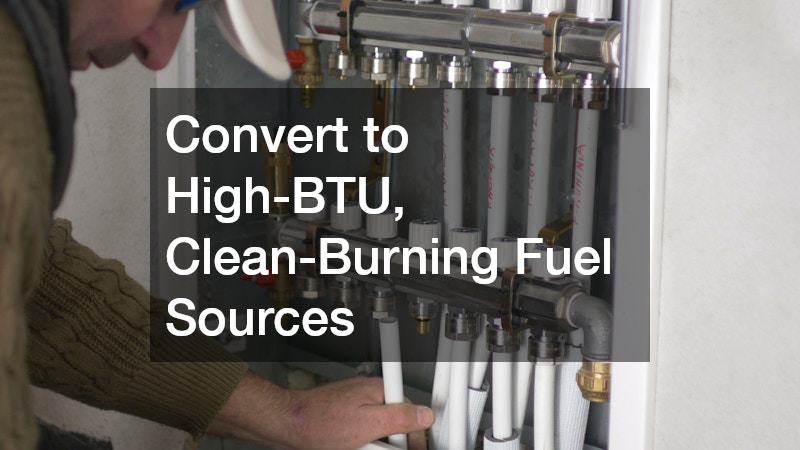
Heating a home with old electric baseboard heaters or inefficient old-style boilers can cause utility bills to skyrocket during prolonged sub-zero winter spells. Electric resistance heating is incredibly expensive per British Thermal Unit, or BTU, of heat generated, making alternative fuel sources highly attractive.
- Maximize thermal output: Utilizing clean-burning, compressed hydrocarbon fuels provides a remarkably high combustion temperature, allowing your central furnace or hydronic boiler to heat your home much faster than electrical alternatives.
- Consolidate home appliances: This versatile fuel can also power your clothes dryer, kitchen range, and backup emergency generator, allowing you to streamline your energy delivery systems onto a single utility footprint.
- Reduce environmental footprint: Modern clean-burning fuels produce far fewer particulate emissions and greenhouse gases than older traditional fuels, making them a more environmentally responsible choice for home heating.
Integrating propane into your home’s energy mix allows you to break your reliance on the electrical grid for heavy thermal loads, giving you predictable, highly manageable winter heating expenses.
Modernize Mechanical Storage to Prevent System Contamination
If your property utilizes traditional heating oil, the physical condition of your fuel containment vessel plays a massive role in the overall efficiency of your heating system. Over decades, older steel tanks accumulate internal condensation, which settles to the bottom of the tank and creates a breeding ground for bacteria and corrosive sludge.
- Prevent nozzle clogging: When sludge and rust particles travel from a degraded tank into your furnace’s burner assembly, they partially clog the fuel atomizing nozzle, resulting in an uneven, smoky, and highly inefficient burn cycle.
- Eliminate thermal drag: Clean, water-free fuel allows the burner to achieve a complete, high-temperature combustion process, ensuring every drop of fuel is fully converted into usable household warmth.
- Protect your property: Upgrading to a modern double-walled tank featuring an outer wrapper of leak-proof high-density polyethylene provides total peace of mind against catastrophic environmental spills.
Scheduling a precision oil tank installation to replace an aging, single-walled steel unit protects your heating system’s fine mechanical components from contamination, ensuring your heating system maintains its peak operational efficiency.
Seal the Largest Moving Wall in Your Home
An attached garage shares significant wall space and often ceiling space with your primary living areas. If your garage door is constructed of uninsulated sheet metal, the air inside the garage will track closely with the outdoor temperature, creating a massive pocket of freezing air in the winter and stifling heat in the summer right against your home’s interior framing.
- Establish a thermal buffer: Upgrading to a garage door constructed with thick polyurethane foam injected between heavy-duty steel skins creates a powerful barrier against outdoor temperature extremes.
- Stop wind infiltration: Premium doors feature advanced, flexible perimeter weather-stripping and heavy bottom seals that completely close off the gaps around the track, stopping high-velocity winds from pressurized drafts.
- Protect overhead living spaces: Keeping your garage twenty to thirty degrees warmer in the winter prevents the floors of bedrooms located directly above the garage from becoming freezing cold, reducing the load on your upstairs zone heating.
Investing in a high-R-value garage door installation effectively minimizes the thermal gradient between your conditioned living spaces and the outdoors, plugging a massive structural energy leak.
Keep Graywater Lines Clear to Protect Heat Recovery Systems
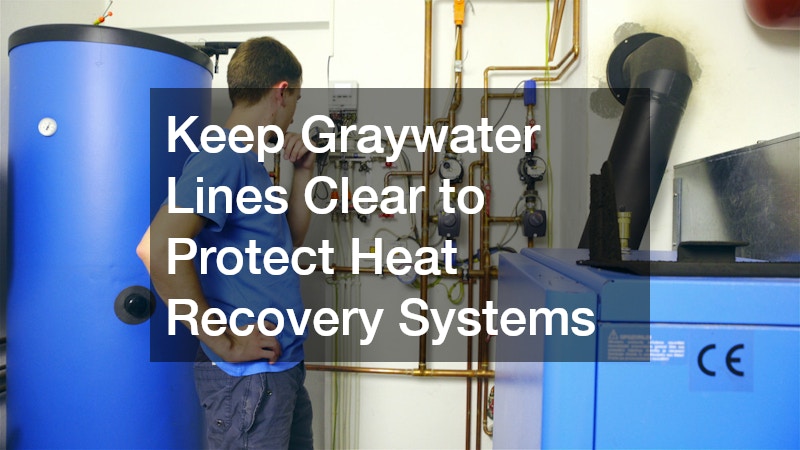
When you take a hot shower, the warm water drains away instantly down the pipe, taking all of its valuable thermal energy with it. Modern eco-conscious homes can capture this wasted energy using Drain-Water Heat Recovery, or DWHR, units, which feature copper coils wrapped around your main vertical waste stack to pre-heat incoming cold city water.
- Ensure rapid fluid dynamics: For a heat recovery system to function efficiently, the warm wastewater must flow smoothly down the inner walls of the pipe in a thin, even film. Slow drains caused by hair and grease accumulation disrupt this flow, reducing thermal transfer.
- Eliminate standing water: Standing water in a partially blocked drain acts as an insulator, preventing the heat from reaching the copper recovery coils effectively.
- Protect pipe infrastructure: Maintaining clear, smooth interior pipe walls prevents the buildup of corrosive biofilms that can degrade plumbing metals over time.
Enlisting a professional drain cleaning service to thoroughly scour your main waste lines ensures that your domestic plumbing systems maintain the high-speed flow characteristics required for advanced heat-recovery systems to operate at peak efficiency.
Sustained reduction in your annual home utility expenses is not achieved through a single magic bullet. Rather, it is the cumulative result of addressing the multiple structural, mechanical, and thermodynamic inefficiencies scattered across your property. By systematically reinforcing your exterior envelope, upgrading to intelligent variable-speed climate systems, optimizing your hot water delivery, and securing transitional structural weak points, you transform your home into a hyper-efficient asset. These upgrades do more than just save money each month; they actively increase your property value, enhance your daily indoor comfort, and reduce your long-term maintenance liabilities. Pick a single target area to assess this coming weekend, and take your first step toward structural efficiency today.