
Owning a home means budgeting for more than just the mortgage payment, and many homeowners are caught off guard by the true annual cost of upkeep and repairs. From leaky faucets to failing furnaces, these expenses add up quickly and often arrive without warning. Understanding what typical repairs actually cost can help you plan ahead, avoid financial stress, and protect the long-term value of your property. This guide breaks down real-world repair costs across the systems that matter most, so you can budget with confidence instead of guessing.
Heating and Cooling System Repairs
Your HVAC system is one of the most expensive components in your home, and it also tends to fail at the worst possible times, like the middle of a heat wave. Homeowners typically spend between 150 and 650 dollars per year on ac repairs, depending on the age of the unit and the complexity of the issue. Common problems include refrigerant leaks, faulty capacitors, and clogged condensate lines, all of which require professional attention rather than a DIY fix.
Calling an air conditioning repair company at the first sign of trouble, such as warm air blowing from vents or unusual noises, can prevent a minor issue from turning into a full system replacement. Annual maintenance visits, which often cost less than 150 dollars, can catch small problems before they become expensive emergencies. Skipping these checkups is one of the most common reasons homeowners face unexpectedly high repair bills later in the year.
- Average minor AC repair: 150 to 350 dollars
- Average major component replacement: 400 to 1,200 dollars
- Annual maintenance visit: 75 to 150 dollars
- Full system replacement (if repair isn’t viable): 4,000 to 8,000 dollars
Plumbing Repairs and Emergencies
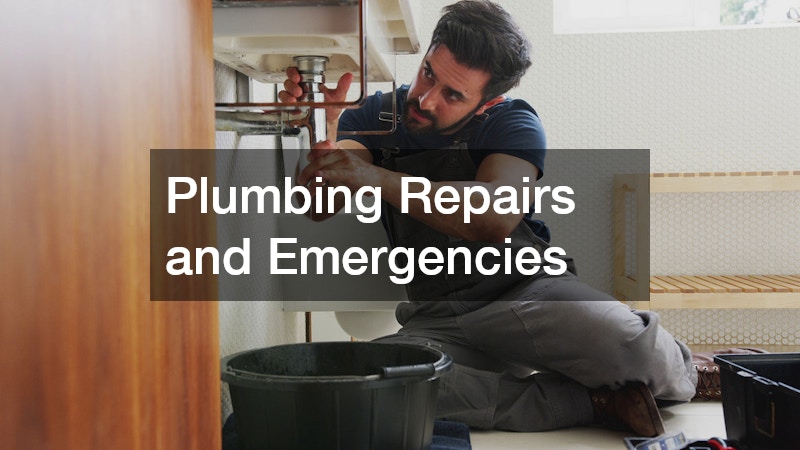
Plumbing issues are among the most frequent repair calls homeowners make, ranging from simple drain clogs to burst pipes that cause significant water damage. On average, homeowners spend 300 to 600 dollars annually on plumbing repair, though a single emergency like a pipe burst can push that number much higher. Older homes with outdated piping materials tend to see more frequent issues, making budgeting for repairs especially important.
When choosing among plumbing companies, it helps to look for licensed professionals who offer transparent pricing and emergency availability, since plumbing problems rarely happen during convenient business hours. Common repairs include water heater replacement, garbage disposal repair, and fixing leaky fixtures, each with its own cost range. Getting multiple quotes before a non-emergency repair can save homeowners a meaningful amount over the course of a year.
- Faucet or fixture repair: 150 to 350 dollars
- Water heater repair: 200 to 600 dollars
- Drain clearing: 100 to 300 dollars
- Pipe repair or replacement: 500 to 1,500 dollars
Roof Maintenance and Repair Costs
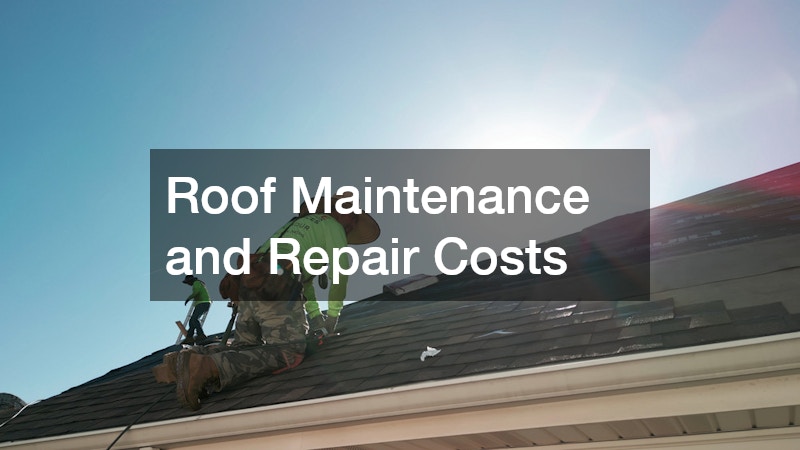
The roof protects everything beneath it, which makes roof repair one of the most important investments a homeowner can make each year. Minor repairs, such as replacing damaged shingles or fixing flashing around a chimney, typically cost between 300 and 1,000 dollars. Left unaddressed, small leaks can lead to structural damage, mold growth, and much larger repair bills down the road.
Hiring a qualified roofing contractor for an annual inspection, especially after severe weather, is one of the best ways to catch problems early. Roofing materials, the pitch of the roof, and accessibility all affect final repair costs, so estimates can vary significantly between homes. Most roofs last 20 to 30 years with proper maintenance, but neglecting small repairs can shorten that lifespan considerably.
- Minor shingle repair: 150 to 400 dollars
- Flashing or seal repair: 300 to 700 dollars
- Gutter repair or replacement section: 200 to 600 dollars
- Full roof replacement (long-term consideration): 8,000 to 20,000 dollars
Basement and Foundation Water Issues
Water intrusion in the basement is a problem that tends to worsen over time if it isn’t addressed quickly, making it one of the more urgent repairs homeowners face. Signs like musty odors, visible mold, or damp walls often indicate the need for professional basement waterproofing services rather than a temporary fix. Costs vary widely depending on whether the solution involves interior sealing, exterior drainage systems, or a full sump pump installation.
Homeowners in areas with high water tables or heavy seasonal rainfall should expect to budget for basement moisture control as a recurring line item rather than a one-time expense. Ignoring early warning signs can lead to foundation cracks, which are considerably more expensive to repair than moisture issues caught early. Annual inspections after major storms can help homeowners stay ahead of costly structural damage.
- Minor interior sealant application: 500 to 1,500 dollars
- Sump pump installation: 1,000 to 3,000 dollars
- Exterior waterproofing system: 3,000 to 10,000 dollars
- Foundation crack repair: 500 to 2,500 dollars
Refreshing Interior Surfaces

Not every home repair is about fixing something broken; some are about maintaining the condition and value of the property. Interior painting services are one of the most common home maintenance expenses, especially in high-traffic areas like hallways, kitchens, and bathrooms where walls show wear faster. Repainting every 5 to 7 years helps protect drywall from moisture damage and keeps the home looking well cared for.
The cost of interior painting depends on square footage, the number of rooms, and whether trim, ceilings, or accent walls are included in the job. Homeowners who budget a modest amount annually for cosmetic upkeep often avoid larger drywall repair costs caused by neglected water stains or cracking paint. This type of maintenance also plays a role in resale value, since fresh interiors make a strong first impression on buyers.
- Single room repaint: 300 to 800 dollars
- Whole home interior repaint: 2,000 to 6,000 dollars
- Touch-up work: 100 to 300 dollars
- Ceiling repair and repaint: 200 to 500 dollars
Septic System Upkeep
For homeowners not connected to a municipal sewer line, septic repairs represent a unique and sometimes overlooked annual expense. Routine pumping every three to five years is far less expensive than emergency repairs caused by a neglected system, which can include tank damage or drain field failure. Warning signs like slow drains, gurgling pipes, or unpleasant odors in the yard should never be ignored.
Septic system costs depend heavily on tank size, soil conditions, and how well the system has been maintained over the years. Homeowners who schedule regular inspections tend to spend far less over time than those who wait until a full system failure forces an emergency repair. Setting aside a small annual budget for septic maintenance can prevent a five-figure replacement bill down the road.
- Routine pumping: 300 to 600 dollars
- Minor component repair: 500 to 1,500 dollars
- Drain field repair: 2,000 to 10,000 dollars
- Full system replacement: 5,000 to 20,000 dollars
Pest Prevention and Structural Protection
Termites and other wood-destroying pests can cause damage that isn’t visible until it becomes severe, which is why annual termite inspections are considered a smart preventive expense rather than an unnecessary cost. Many pest control companies offer inspection packages at a relatively low annual cost compared to the price of structural repairs caused by an infestation. Homes in warmer, humid climates face a higher risk and often benefit from more frequent monitoring.
Catching termite activity early can mean the difference between a simple treatment and replacing structural wood components like beams or subflooring. Homeowners should also watch for signs such as discarded wings, hollow-sounding wood, or mud tubes along the foundation. Budgeting for this relatively small annual expense is one of the most cost-effective ways to protect a home’s structural integrity.
- Annual termite inspection: 75 to 150 dollars
- Localized treatment: 250 to 900 dollars
- Whole home tenting treatment: 1,200 to 2,500 dollars
- Structural wood repair after infestation: 1,500 to 10,000 dollars or more
Building an Annual Home Repair Budget

A common rule of thumb suggests setting aside 1 to 2 percent of your home’s value each year for maintenance and repairs, though older homes or those with outdated systems may need a higher percentage. This budget should be treated as a separate savings category, similar to an emergency fund, rather than something pulled from general monthly expenses. Tracking repair costs year over year also helps homeowners spot patterns, such as a system that is nearing the end of its useful life.
Prioritizing repairs based on urgency and potential for further damage helps homeowners allocate limited funds more effectively. Structural and safety-related issues, like roofing or plumbing problems, should generally take precedence over cosmetic updates. Creating a simple spreadsheet or using a budgeting app to log repair costs can make it easier to plan for the following year’s expenses.
- Set aside 1 to 2 percent of home value annually
- Prioritize safety and structural repairs first
- Track expenses to identify recurring problem areas
- Build a separate emergency repair fund
Seasonal Maintenance That Reduces Repair Costs
Many of the most expensive home repairs can be avoided entirely with routine seasonal maintenance. A clogged gutter left unaddressed can lead to roof rot, foundation cracks, or basement flooding that cost thousands to fix, while a $150 gutter cleaning twice a year prevents most of that risk. Cleaning gutters before winter, servicing HVAC systems before extreme temperatures hit, and inspecting weatherstripping around doors and windows are all low-cost tasks that prevent higher-cost problems later.
HVAC servicing is a good example of the math involved: an annual tune-up typically runs $75 to $200, but a neglected system that fails mid-summer or mid-winter can mean a $5,000 to $10,000 replacement instead of a simple repair. Similarly, resealing weatherstripping or caulking around windows costs less than $50 in materials but can reduce energy bills by 10-20% and prevent moisture intrusion that leads to mold or rotted framing.
Other high-value seasonal tasks include flushing the water heater annually to prevent sediment buildup, inspecting the roof for loose or damaged shingles after storms, and testing sump pumps before spring rains. Each of these takes an hour or less but addresses the kind of slow-developing damage that turns into major repair bills if ignored.
Homeowners who follow a seasonal checklist tend to spend significantly less on emergency repairs over time, since most catastrophic home failures start as small, detectable issues months before they become urgent.
Fall and spring are ideal times to schedule inspections for major systems, since problems are easier and cheaper to address before extreme weather puts additional strain on the home. A fall checklist might include having the furnace serviced before temperatures drop, cleaning gutters to prevent ice dams, and sealing gaps around windows and doors to stop drafts. In spring, homeowners benefit from testing the air conditioning before summer heat arrives, checking the roof for winter damage, and inspecting exterior caulking and grading around the foundation.
Simple habits, like checking for water stains in the attic, testing sump pumps before rainy season, or flushing the water heater annually, can catch issues while they’re still minor. Even small tasks, such as replacing HVAC filters every one to three months or trimming tree branches away from the roofline, prevent strain that shortens the lifespan of expensive systems. Many of these checks take less than an hour but can reveal problems before they escalate into four-figure repairs.
This proactive approach is ultimately what separates a manageable annual repair budget, often just a few hundred dollars in preventive upkeep, from a year full of costly surprises that can run into the thousands.
- Clean gutters in spring and fall; clogged gutters cause water damage averaging $1,000-$4,000 in repairs
- Inspect weatherstripping and caulking annually, focusing on windows, doors, and bathroom fixtures where gaps let in moisture
- Test sump pumps before rainy seasons by pouring water into the pit to confirm the float triggers and drains properly
- Schedule HVAC tune-ups twice a year (spring for AC, fall for heating) to catch worn parts before they cause $150-$500 emergency repairs
- Flush water heaters annually to remove sediment buildup, which can shorten unit lifespan by several years
- Check attic insulation and ventilation each fall to prevent ice dams and reduce winter heating costs
Home repair costs are rarely one-size-fits-all, but understanding the typical price ranges for major systems gives homeowners a realistic starting point for annual budgeting. By staying proactive with inspections and addressing small issues before they escalate, you can avoid many of the largest and most stressful repair bills. Start by reviewing your home’s most vulnerable systems today, and build a simple savings plan so you’re prepared no matter what repair comes next.