
The modern concept of luxury has undergone a profound transformation. There was a time when a luxury home was defined solely by its square footage or the sheer opulence of its price tag. Today, true high-end living is measured by the intelligence of its design, the intentionality of its materials, and the seamless integration of wellness and convenience. A luxury home is not a museum to be admired from afar; it is a finely tuned ecosystem designed to evoke comfort, promote tranquility, and elevate the daily human experience.
Achieving this level of sophisticated design requires looking past superficial aesthetics. It demands a deep understanding of structural flow, architectural integrity, and the emotional resonance of tactile materials. When you step into a masterfully curated space, nothing feels accidental. The way natural light washes across a wall, the subtle dampening of sound as you move between rooms, and the tactile transition of materials underfoot all contribute to a sensory feeling of prestige. By focusing on purposeful zoning, sensory detailing, and the integration of specialized craftsmanship, you can transform your home into a timeless reflection of refined living.
Culinary Sophistication: Designing Seamless Flow and Concealed Elegance
The contemporary high-end kitchen is no longer just a place for meal preparation; it has evolved into the primary social anchor of the home. Designing a luxury culinary space requires a delicate balancing act between commercial-grade utility and pristine, furniture-grade aesthetics. The modern trend favors an open-concept layout that transitions effortlessly into adjacent dining or living areas, requiring a design philosophy focused on absolute visual harmony.
To achieve this level of visual continuity, high-end layouts often utilize integrated design principles. One of the most effective strategies is the implementation of a secondary back-kitchen or a hidden scullery. This layout allows the primary kitchen island to remain an unblemished stage for entertaining, while heavy food preparation, cleanup, and small appliances are tucked out of sight. When planning these spaces, collaborating with experienced kitchen designers ensures that the spatial logistics, traffic patterns, and appliance zoning are tailored precisely to your entertaining style and culinary habits.
Storage in a luxury kitchen must look like architectural wall paneling rather than standard utility units. Floor-to-ceiling cabinetry with touch-latch mechanisms or integrated channels eliminates visual clutter. Working closely with a premier cabinet company allows for the creation of completely custom storage solutions, such as motorized appliance garages, pull-out marble prep shelves, and interior drawer configurations lined in velvet or leather for flatware storage.
- Entertaining Zone: The front-facing social hub of the room that flows directly into the main living spaces.
- Primary Kitchen Island: A minimalist showpiece clad in premium stone, engineered entirely for gathering and light serving.
- Hidden Scullery Entry: A concealed architectural door that separates guest sightlines from active food preparation.
- Heavy Prep Zone: The functional workspace housing high-performance appliances, cleanup stations, and secondary storage.
Styling Strategies:
- Incorporate Book-Matched Stone: Choose premium natural stone slabs, such as Calacatta marble, quartzite, or dramatic porcelain, and ensure the veining mirrors perfectly across backsplashes, islands, and countertops.
- Embrace Oversized Island Workstations: Design a double-thick waterfall island that functions as both a casual dining space and a culinary station, incorporating under-counter LED lighting to make the massive stone structure appear as if it is floating.
- Curate Bespoke Metal Accents: Avoid generic finishes by layering unlacquered brass, blackened steel, or oil-rubbed bronze across plumbing fixtures, light pendants, and custom range hoods.
Sanctuary Bathrooms: Layering Textures and Scaling Sensory Features

The luxury bathroom has shifted from a utilitarian space into a highly personalized wellness retreat. Drawing inspiration from five-star eco-resorts and world-class spas, modern primary suites prioritize sensory relaxation and structural scale. The goal is to design an environment that encourages mindfulness, where the passage of time slows down the moment you cross the threshold.
Achieving a true spa-like atmosphere requires removing traditional structural barriers. Low-threshold or curbless showers with massive glass panels create an unbroken line of sight that expands the room. Within the shower enclosure, layering different water elements—such as ceiling-mounted rainfall showerheads, directional body jets, and high-pressure hand wands—provides a customizable hydrotherapy experience. Investing in a comprehensive bathroom remodel allows you to re-engineer the underlying plumbing and structural footprint to accommodate features like integrated steam generators and recessed wall niches with indirect lighting.
Materials in a sanctuary bathroom must prioritize texture and warmth to prevent the space from feeling sterile. Large-format porcelain or natural stone slabs are highly favored over small tiles because they drastically reduce grout lines, creating a monolithic, clean surface. Beneath these stones, an elite flooring service can install advanced hydronic or electric radiant heating networks, ensuring that the tactile experience of walking across the room is consistently warm and inviting.
Styling Strategies:
- Position a Freestanding Focal Point: Place a sculptural soaking tub made of volcanic limestone or solid resin near a picture window or against a feature wall of split-face stone to anchor the entire room’s design.
- Introduce Intelligent Climate Control: Install hidden thermostatic valves that allow you to program precise water temperatures, alongside automated warming drawers that keep bath sheets and robes heated to perfection.
- Design a Custom Floating Vanity: Suspend a thick stone vanity from the wall with integrated under-cabinet lighting, pairing it with wall-mounted plumbing fixtures to maximize open floor space and emphasize clean geometry.
Fluid Living Zones: Mastering Visual Weight and Custom Ambient Controls

Great rooms and formal living areas form the backbone of a home’s social identity. In luxury residences, these spaces must successfully balance grand architectural scale with intimate human comfort. When a room features soaring ceilings or expansive windows, mastering the visual weight of furniture, wall treatments, and lighting is essential to prevent the space from feeling cavernous or uninviting.
The foundational surfaces of a living zone establish its atmospheric mood. Instead of relying on standard paint applications, high-end interiors utilize hand-applied plaster finishes, subtle limewash textures, or custom architectural moldings to give walls depth and character. Entrusting these expansive surfaces to professional interior painting contractors guarantees a flawless execution, ensuring that specialized matte or satin finishes capture and diffuse natural light elegantly without revealing brush strokes or imperfections.
Controlling how light enters and interacts with a room is a core tenet of luxury design. Expansive windows connect interiors to nature, but they require sophisticated framing to manage glare, privacy, and thermal comfort. Installing tailored window treatments—such as automated, floor-to-ceiling drapery tracks recessed directly into the drywall—allows you to transform the ambiance of a room at the touch of a button. Layering sheer, loosely woven linens with heavy silk or velvet blackout panels introduces rich textile contrast while providing acoustic dampening that enhances the room’s auditory comfort.
Styling Strategies:
- Establish a Multi-Layered Lighting Plan: Avoid relying solely on overhead recessed cans. Layer architectural lighting by combining statement chandeliers with low-level floor lamps, picture lights for artwork, and concealed LED cove lighting along the ceiling.
- Scale the Furniture Appropriately: In large living rooms, opt for deep, low-profile modular sofas upholstered in performance bouclé or Belgian linen, ensuring the scale of the seating matches the room’s volume.
- Create Architectural Anchors: Design a floor-to-ceiling fireplace mantle clad in hand-carved travertine or hot-rolled steel to draw the eye upward and celebrate the verticality of the space.
Expanding the Footprint: Repurposing Low-Utilized Areas for Bespoke Entertainment
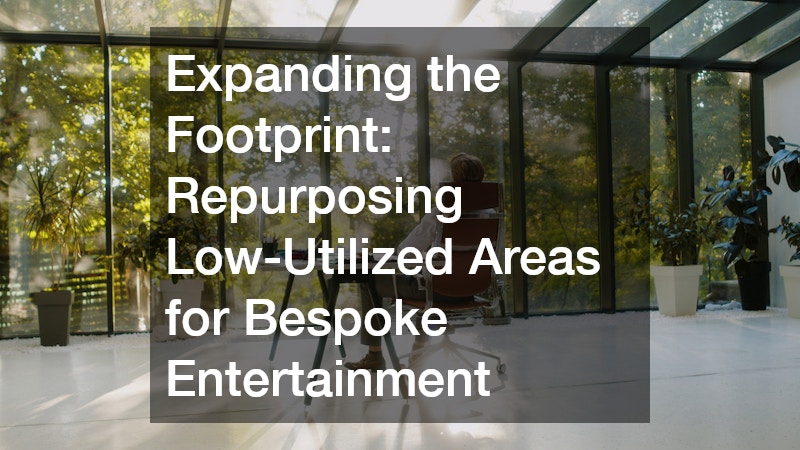
A truly luxurious home utilizes every square foot intentionally, converting secondary or utility zones into highly specialized destinations for entertainment, hobbies, or relaxation. By looking past standard room layouts, homeowners can craft unexpected spaces that cater directly to their lifestyles, adding incredible emotional and financial value to the property.
The lower level of a home offers the perfect canvas for creative structural transformations. Rather than treating it as storage, this subterranean footprint can be reimagined as a private entertainment lounge, an acoustic home theater, or a climate-controlled walk-in wine cellar. Engaging professional basement finishing services is critical during this phase, as they have the specialized structural expertise to handle subfloor vapor barriers, advanced soundproofing inside framing walls, and the integration of low-profile, high-efficiency climate ventilation systems.
- Main Floor Living Connection: The baseline environment that sets the home’s primary aesthetic.
- Sunroom Lounge Expansion: A daylight-driven environment utilizing structural glass to create indoor gardens, tranquil tea sanctuaries, or year-round reading solariums.
- Subterranean Space Transformation: A shadow- and acoustic-controlled environment ideal for building private home cinemas, vaulted wine cellars, or speakeasy-inspired cocktail lounges.
Conversely, expanding your living space horizontally to embrace daylight can offer an entirely different sensory experience. Converting an underutilized patio, deck, or side yard into a seamless indoor-outdoor transition area introduces natural beauty into everyday life. A highly skilled sunroom contractor can engineer a custom conservatory or glass-enclosed atrium utilizing thermally broken aluminum frames and insulated, UV-filtering glass. This structural addition creates a luminous sanctuary where you can enjoy panoramic views of changing seasons or manicured landscaping while remaining completely protected from the elements.
Styling Strategies:
- Construct a Vaulted Wine Lounge: Line cellar walls with reclaimed brick or dark oak shelving, incorporating soft, low-heat LED backlighting to showcase your collection without compromising the temperature-controlled environment.
- Establish an Indoor-Outdoor Solarium: Furnish glass-enclosed garden spaces with weather-resistant luxury materials like marine-grade teak, woven rattan, and performance fabrics, surrounding the seating with oversized exotic indoor plants.
- Integrate Hidden Media Systems: In media rooms, use motorized artwork or custom wooden millwork doors to conceal large screens and audio components when they are not in active use, keeping the aesthetic focused on pure design.
The Structural Cohesion: Aligning Professional Expertise

Bringing a complex, multi-room luxury vision to life requires looking at the home through a single, unified design lens. Fragmented design choices—where each room feels like an isolated concept—can quickly disrupt the flow of a property. True luxury relies on a red thread of design continuity that connects every space, matching materials, color weights, and architectural trim throughout the entire floor plan.
Achieving this level of fluid synergy requires overarching creative direction. Partnering with a comprehensive interior design contractor allows you to establish a master design plan before any physical work begins. This professional oversight ensures that material transitions are executed seamlessly, that custom metal finishes match across different structural zones, and that lighting temperatures remain consistent from room to room. Their ability to orchestrate custom furniture fabrications, art procurement, and millwork details bridges the gap between raw construction and elegant, move-in-ready design.
This cohesive design philosophy should extend even into the most utilitarian corners of the estate. The garage, for instance, is often overlooked, yet it serves as the primary entry point for many homeowners. By collaborating with professional garage contractors, this space can be elevated from an unrefined storage zone into a polished extension of the home’s interior. Installing custom cabinetry that hides tools, integrated charging infrastructure for electric vehicles, and premium epoxy or interlocking tile floors can transform the space into a pristine showroom for car collections or a high-performance home gym.
Styling Strategies:
- Create a Unified Material Palette: Choose three to four core materials—such as European white oak, brushed bronze, honed limestone, and neutral linen—and repeat them in varying proportions throughout the entire house to build visual rhythm.
- Conceal Service and Storage Features: Design flush-mount hidden jib doors wrapped in the same wallpaper or plaster finish as the surrounding walls to cleanly mask walk-in closets, pantries, or mechanical access points.
- Design a Grand Arrival Experience: Treat the garage interior with the same care as the front foyer by adding architectural lighting, clean wall paint, and organized vertical storage to ensure a welcoming return home.
Styling a home with luxury living spaces is ultimately an exercise in curation, intention, and precision. It is about moving beyond fleeting decor trends and investing in structural integrity, high-caliber materials, and personalized functionality. Whether you are re-engineering a primary culinary zone, carving out a subterranean entertainment space, or creating a glass-enclosed sanctuary to connect with nature, the success of the transformation rests on the dedication to fine craftsmanship and thoughtful spatial planning.
When done correctly, a luxury home becomes a profound reflection of how you choose to live, offering a harmonious blend of beauty and ease. By respecting architectural proportions, layering sensory textures, and trusting specialized experts to execute your vision, you can cultivate an environment that inspires the mind and brings comfort to the soul. True luxury is not found in what a home displays to the world, but in the enduring quality, peace, and joy it provides to those who live within its walls.