Demystifying the lingo used by roof repair professionals can help you better navigate your roofing needs and communicate effectively with service providers. In this article, we delve into the most common terms and concepts, answering frequently asked questions to aid your understanding. Whether you are considering simple maintenance or complex repairs, knowing the terminology allows you to make informed decisions. Roof repair encompasses various terminologies related to materials, techniques, and solutions. This detailed guide will enable you to understand essential roofing terms and make your way through discussions with your chosen service provider.
What are the basic roofing terms I should know?
Shingles
Shingles are a common roofing material that come in a variety of types and materials, such as asphalt, wood, and slate. They provide a protective layer that shields the underlying structure from environmental elements. The type of shingles used can significantly affect a roof’s longevity and aesthetic. Asphalt shingles, the most popular type, are known for their affordability and durability. Understanding shingles helps in choosing the right material for your home.
Flashing
Flashing is a crucial component of roofing systems that prevents water intrusion at intersections and roof joints. It is typically made from metal or other waterproof materials to create a weather-resistant barrier. Professionals install flashing around chimneys, vents, and in roof valleys to protect against leaks. Proper flashing installation is vital to avoid moisture-related issues, which can lead to costly damage. During inspections, ensuring flashing is intact is an essential aspect of roof maintenance.
Underlayment
Underlayment is the protective layer installed between the roof deck and shingles. It serves as an additional weather barrier to prevent water penetration. There are different types, such as felt and synthetic underlayments, each with unique properties. Synthetic underlayment, in particular, is favored for its durability and resistance to tearing. Choosing the right underlayment is integral to maintaining the structural integrity of the roofing system.
Slope
The slope of a roof, also known as pitch, refers to its steepness or inclination. A roof’s slope is crucial as it affects water drainage, roofing materials used, and structural design. Steeper slopes generally facilitate rapid water shedding, reducing risk of water damage. Understanding your roof’s slope can assist in determining suitable roofing materials and maintenance needs. This knowledge helps homeowners in selecting effective drainage solutions and appropriate repair methods.
Valley
Roof valleys are the channels formed where two roof slopes meet, directing water flow off the structure. Valleys play a significant role in effective water management, preventing accumulation on the roof. Proper valley construction and maintenance prevent leaks and environmental damage. Valleys require regular inspection to ensure they are free of debris and well-sealed. Understanding valleys helps in managing potential water flow issues and prolonging roof life.
How does weather impact roofing terms and requirements?
Wind Uplift
Wind uplift occurs when strong winds create pressure that lifts roofing materials from the structure. It is essential for homeowners to ensure their roofs are securely fastened to withstand high winds. Modern roofing techniques and materials include provisions for wind-resistance to mitigate this risk. Understanding how wind uplift can impact roofing aids in selecting materials that ensure structural robustness. Proper installation and regular inspections are key to minimizing wind damage.
Ice Dams
Ice dams form when snow on a roof melts and refreezes at the eaves, leading to water back-up. These dams can cause significant water damage, as pooled water may leak into the home. Effective insulation and ventilation reduce the risk of ice dam formation. Homeowners should be aware of this phenomenon and proactively manage their roof temperature. Regular inspection and maintenance help prevent ice dams and protect the roof during winter.
Hail Impact Resistance
Hail resistance refers to a roofing material’s capability to withstand hail impact without damage. Manufacturers often test and rate materials, providing homeowners with guidance on choices for hail-prone areas. Choosing materials with high hail resistance can help avoid frequent repairs and extend roof life. Understanding these ratings is crucial for homeowners in regions with frequent hailstorms. Investing in hail-resistant roofing solutions adds value by providing long-term protection.
UV Resistance
UV resistance in roofing materials prevents degradation from the sun’s ultraviolet rays. Prolonged exposure to UV can lead to material breakdown, reducing roof longevity. Materials with UV-resistant properties maintain their appearance and structural integrity longer. Homeowners should consider UV resistance when selecting materials for sunny climates. Equipping roofs with UV-resistant options shields them from the sun’s damaging effects, ensuring durability.
Thermal Shock
Thermal shock refers to rapid temperature changes that cause roofing materials to expand and contract. This process may lead to cracking and damage over time. Incorporating materials that withstand thermal shock enhances a roof’s ability to resist weather-induced stress. Understanding this concept helps in selecting suitable materials for areas with significant temperature fluctuations. Properly designed roofs that account for thermal variations last longer and require fewer repairs.
What are the common issues and repairs in roof maintenance?
Leak Detection
Detecting leaks early is essential for preventing extensive water damage and costly repairs. Regular inspections focus on identifying signs of water intrusion, such as stains or damp spots. Homeowners can also check the attic for leaks during rainy periods. Professional services often employ advanced technology to locate and address potential leaks. Effectively managing leaks involves quick response and appropriate repair strategy to maintain roof health.
Patching Techniques
Patching is a common repair method used to fix localized damage on a roof. There are various techniques, each suitable for different materials and damage types. Patching helps extend roof life and delay the need for costly replacements. Professionals are skilled in selecting the appropriate patching method, ensuring durable results. Employing proper patching techniques can address common issues like shingle damage efficiently.
Roof Replacement
A full roof replacement is considered when repairs are insufficient to restore roof integrity. Factors like age, environmental damage, and extensive leaks influence this decision. Homeowners should consult experts to assess whether replacement or repair is the best option. Investing in replacement involves selecting materials and contractors carefully to ensure lasting results. Understanding when and how to proceed with replacements mitigates further structural complications.
Ventilation Problems
Poor ventilation can lead to moisture buildup and increase roof deterioration rate. It is crucial that roofs have sufficient airflow to prevent condensation and mold growth. Correcting ventilation issues involves installing exhaust vents and intake vents properly. Regular assessment of ventilation functionality is vital in prolonging roof lifespan. Adequate ventilation not only protects the roofing system but also improves energy efficiency.
Gutter Management
Effective gutter management is important in directing water away from the home foundation. Blocked gutters can cause water overflow, leading to foundation shifts and roof leaks. Regular cleaning and checking for repairs are necessary to maintain gutter efficiency. Homeowners need to consider gutter guards and professional maintenance for long-term efficacy. Proactive gutter management contributes to overall home stability and reduces repair needs.
Which roofing materials are commonly used and their terminology?
Asphalt
Asphalt shingles are a popular choice due to their cost-effectiveness and ease of installation. They come in various colors and styles, adding aesthetic appeal to homes. Despite being affordable, they provide satisfactory durability and protection against the elements. Asphalt shingles require regular maintenance to maximize their lifespan. Homeowners value their versatility and consider them a practical solution for a range of architectural styles.
Metal Roofing
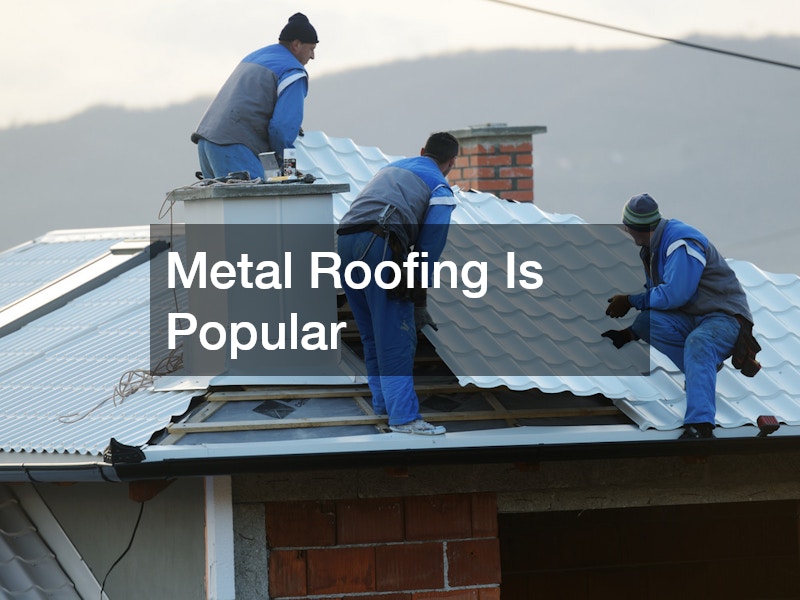
Metal roofing offers benefits such as longevity, low maintenance, and energy efficiency. Materials used include aluminum, copper, and steel, each with distinct advantages. Metal roofs are designed to withstand extreme weather by providing formidable structural support. Their reflective properties contribute to maintaining cooler home temperatures, enhancing comfort. While the initial investment is higher, metal roofing’s durability often translates to long-term savings.
Clay and Concrete Tiles
Clay and concrete tiles are known for their durability and distinctive appearance. They are heavyweight options requiring additional structural support during installation. Ideal for hot climates, they naturally resist rot and insect damage. Their fire resistance and insulative properties make them a sought-after choice for Mediterranean-style homes. Maintenance is straightforward, focusing on occasional sealing and tile replacement as needed.
Wood Shakes and Shingles
Wood roofing options, including shakes and shingles, add a rustic charm to properties. Cedar is a common choice due to its natural resistance to decay and insect infestations. Regular treatment and maintenance help preserve their condition and prolong service life. They provide exceptional insulation and are valued for their eco-friendliness and natural aesthetic. Despite potential higher maintenance, they remain a favorite for those seeking a traditional look.
Synthetic Roofing
Recent advancements in roofing have led to the development of synthetic materials. These options replicate the appearance of natural materials while offering enhanced durability. Synthetic roofing is often lightweight, thus reducing installation complexity and costs. They resist various environmental stresses, providing reliable protection. Homeowners prefer synthetic options for their modern look and low maintenance demands, making them a viable alternative.
How to choose the right roof repair service?
Certification and Licensing
Certification and licensing ensure that the roofing contractor meets industry standards. It is crucial to verify these credentials, as they provide assurance of professional expertise. Licensed contractors deliver services according to local regulations, ensuring compliance and safety. Checking a contractor’s certification helps in discerning qualified professionals. Homeowners gain peace of mind and quality guarantees by selecting certified roof repair services.
Insurance Coverage
A reputable roofing service should carry adequate insurance to protect against potential liabilities. Insurance covers damages during repairs and assures homeowners of responsibility. Confirming coverage before commencing work prevents unexpected legal and financial challenges later. Homeowners should request proof of insurance and understand policy specifics. Proper insurance coverage underscores the importance of accountability in service delivery.
Reference Checking
Checking references is a critical step in evaluating potential roofing contractors. Speaking with previous clients provides insights into the contractor’s reliability and workmanship. Reference checking also reveals the contractor’s dedication to customer satisfaction. Engaging with past clients assists in setting realistic expectations about service quality. References serve as valuable tools for choosing a competent roof repair service.
Estimate and Contract Details
Understanding estimate and contract details helps avoid misunderstandings during the project. A detailed estimate outlines the project scope, costs, and timelines. Reviewing contracts ensures that all work specifications and guarantees are clearly defined. Homeowners must seek clarification on terms they do not understand before signing. Proper documentation protects parties involved and lays groundwork for successful collaboration.
Warranty and Service Guarantees
A warranty is an assurance of the quality and longevity of roofing work provided. It is pivotal for homeowners to understand warranty terms and durations. Reputable contractors offer guarantees that cover materials and workmanship. Evaluating warranties helps assess service commitment and contractor credibility. Choosing services with strong warranties provides a safety net against future issues.
Understanding roof repair terminology empowers homeowners to make informed decisions and effectively communicate with local roof repair services. Equip yourself with this knowledge to enhance your overall roofing experience. By familiarizing with key concepts and terms, you can confidently engage with professionals and optimize your roofing solutions. As a homeowner, selecting well-informed services ensures long-lasting roofing investments. This article serves as a comprehensive resource, simplifying communication and choices regarding your roofing needs.