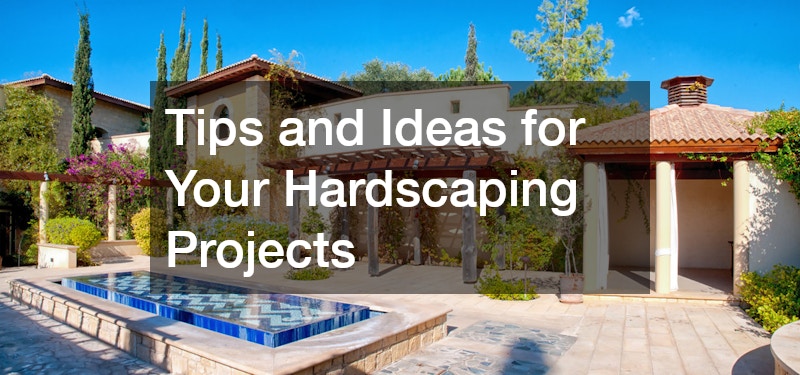
When it comes to enhancing the beauty and functionality of your outdoor spaces, hardscaping plays a crucial role. Unlike traditional landscaping, which focuses on plants, flowers, and greenery, hardscaping refers to the structural elements of your yard, such as patios, walkways, retaining walls, and outdoor kitchens. These features not only add visual appeal but also increase the usability and value of your property.
If you’re planning a hardscaping project, here are some practical tips and creative ideas to help you achieve the perfect balance between aesthetics and functionality.
1. Plan Before You Build
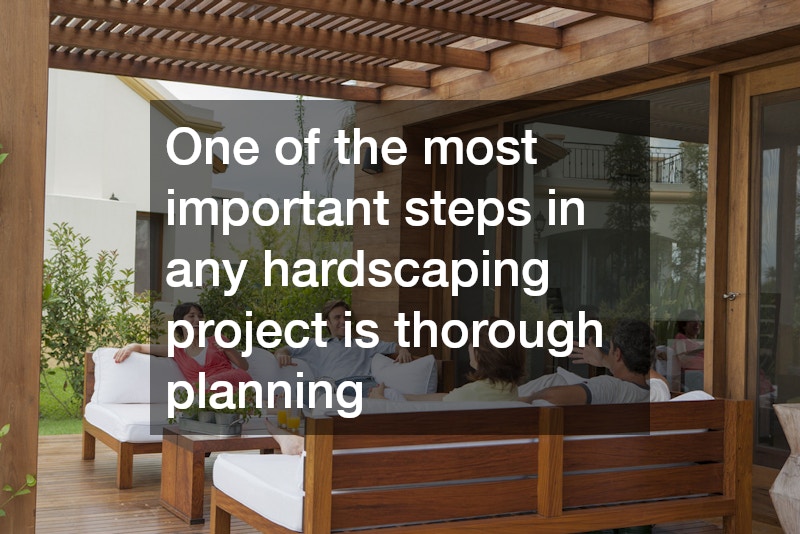
One of the most important steps in any hardscaping project is thorough planning. Start by assessing the size, shape, and slope of your yard. Consider how you intend to use the space—will it be for entertaining guests, family gatherings, or quiet relaxation? Sketching a rough layout can help you visualize how different elements will fit together. Additionally, think about traffic flow, ensuring walkways are wide enough and pathways connect key areas efficiently. Planning can prevent costly mistakes and ensure your hardscaping project is both beautiful and practical.
2. Choose the Right Materials
Material selection is critical in hardscaping because it impacts both durability and appearance. Popular materials include natural stone, brick, concrete, and pavers. Each has its advantages:
-
Natural stone: Offers a timeless and elegant look but can be more expensive and challenging to install.
-
Brick: Provides a classic aesthetic and works well for pathways and patios.
-
Concrete: Affordable and versatile, allowing for stamped or colored designs.
-
Pavers: Easy to install and replace, offering flexibility in pattern and color.
When selecting materials, consider your climate, budget, and the style of your home. Combining different textures and colors can create a unique look that complements your outdoor environment.
3. Incorporate Functional Features
Hardscaping isn’t just about looks—it should improve the usability of your space. Features like retaining walls, steps, and seating areas can make uneven terrain more accessible and functional. Retaining walls, for example, are not only visually appealing but also prevent soil erosion and provide structural support for elevated areas. Similarly, built-in benches or seating walls can create cozy gathering spots while saving space compared to traditional outdoor furniture.
Adding functional elements like fire pits, water features, or pergolas can elevate your hardscaping project further. Fire pits provide warmth and a focal point for outdoor entertaining, while water features like fountains or small ponds introduce soothing sounds and a sense of tranquility. Pergolas and gazebos offer shade and can define outdoor rooms, making your backyard more inviting year-round.
4. Embrace Creativity with Patterns and Layouts
One way to make your hardscaping stand out is through creative use of patterns and layouts. For example, alternating stone sizes or colors in a walkway can add visual interest, while geometric patterns in a patio can create a sense of structure and sophistication. Consider combining materials—such as a brick border around a concrete patio—to create contrast and depth.
Lighting is another creative element that can enhance your hardscaping. Strategically placed lights along walkways, steps, and around focal points not only improve safety but also create ambiance. Solar lights or low-voltage LED options are energy-efficient choices that highlight the beauty of your outdoor space during nighttime.
5. Plan for Drainage and Maintenance
Even the most visually appealing hardscaping can become problematic if drainage is ignored. Water pooling on patios or near retaining walls can lead to damage over time. Incorporate proper drainage solutions like gravel beds, drainage pipes, or sloped surfaces to direct water away from structures.
Maintenance is another key consideration. Some materials require more upkeep than others—natural stone may need periodic sealing, while concrete can develop cracks over time. Choose materials and designs that match your willingness and ability to maintain them. Proper planning for maintenance ensures your hardscaping remains functional and attractive for years to come.
6. Blend Hardscaping with Landscaping
For the best results, hardscaping should complement the surrounding landscape rather than dominate it. Incorporate plants, shrubs, and flowers to soften the look of stone or concrete structures. Greenery can create contrast and enhance the natural beauty of your yard. For example, a stone pathway lined with flowering plants or a retaining wall with climbing vines creates a seamless transition between hard and soft elements.
Consider seasonal changes as well. Evergreens provide year-round structure, while perennials and annuals offer bursts of color throughout different seasons. By blending hardscaping with landscaping, you create a harmonious and inviting outdoor space.
7. Seek Professional Advice When Needed
While some hardscaping projects can be DIY-friendly, more complex elements like retaining walls, large patios, or outdoor kitchens often benefit from professional expertise. Contractors can help with structural integrity, material selection, and proper installation techniques. Consulting professionals ensures your hardscaping project is safe, durable, and executed efficiently.
Hardscaping can transform your outdoor space into a functional, stylish, and welcoming environment. From careful planning and material selection to creative layouts and integration with landscaping, every element plays a role in creating a cohesive design. By focusing on both aesthetics and functionality, you can enjoy an outdoor space that meets your needs while increasing the value of your property. Whether you’re installing a simple walkway or designing an elaborate backyard retreat, these tips and ideas will help guide your hardscaping project to success.