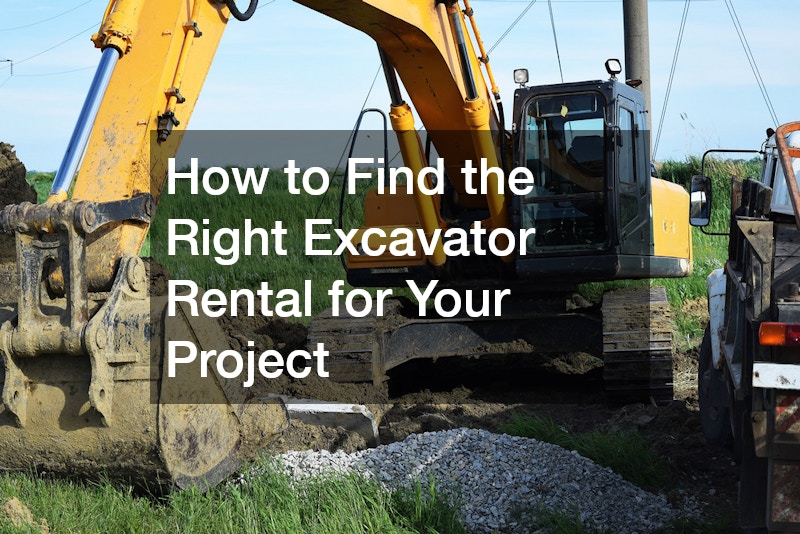
Before diving into the search for an excavator rental, it’s crucial to have a clear understanding of your project requirements. Consider the scope and size of the work you need to accomplish, as this will heavily influence the type of equipment you’ll need. Define your objectives, timelines, and the conditions of the worksite to ensure you choose a machine that meets your needs without overcomplicating the process.
Make a list of tasks that the excavator needs to perform and contemplate the terrain on which it will operate. For instance, if you’re working in a confined space, a compact mini excavator might be more suitable than a large, heavy-duty model. Additionally, evaluate any potential site limitations like overhead structures or ground instability that could affect the type or size of the excavator required.
Establish a budget that aligns with your project’s financial constraints. Be mindful of rental costs, including potential extra charges for maintenance or operation, to ensure there are no unexpected financial surprises. Properly defining your budget helps in narrowing down options and finding the best value for your excavator rental without compromising on the quality or capability of the equipment.
Types of Excavators Available for Rental
Excavators come in a variety of shapes and sizes, each designed for specific tasks. Common types include mini excavators, standard-sized models, and larger units for heavy-duty operations. Mini excavators are particularly beneficial for smaller projects or urban environments where maneuverability and space are limited.
Choose a standard-sized excavator if your project is moderate in scale or involves a variety of tasks that require versatility. These models typically offer a good balance between power and precision and are well-suited for tasks like digging, trenching, and earthmoving in open areas. On the other hand, if you’re dealing with substantial earth-moving or construction on expansive sites, larger excavators will deliver the power and capacity needed to complete the job efficiently.
Consider the attachments and additional tools that different excavators support, as these can significantly enhance the functionality of the machine. From hydraulic hammers to specialized buckets, choosing the right attachments can streamline operations and increase the efficiency of your project. Ensure that the rental provider offers the necessary attachments specific to your project needs.
Evaluating Rental Companies
Once you understand your project parameters and the types of excavators available, the next step is evaluating potential rental companies. Start by researching companies with a solid reputation for reliability and customer satisfaction in the construction equipment space. Look for reviews and testimonials from previous customers to gauge the quality of service and equipment they provide.
Assess the company’s fleet to ensure they offer a wide selection of well-maintained machines that match your project requirements. Check for recent models equipped with advanced features for improved safety and efficiency. A rental company that regularly updates its inventory is more likely to offer reliable equipment that performs well on site.
Consider the level of support the rental company provides, including delivery service, on-site maintenance, and technical assistance. A company that offers comprehensive support can minimize downtime and ensure your project stays on schedule. Prioritize companies with flexible rental terms and expert advisory services that can help you select the best excavator for your specific project needs.
Comparing Costs and Contract Details
Understanding and comparing costs from potential rental companies is a critical step in securing the right deal. Don’t just look at the base rental price; factor in all associated costs such as insurance, taxes, and delivery fees. Be sure to read the fine print of every contract to identify any hidden fees or penalties for issues like late returns or equipment damage.
Evaluate the contract terms to determine if they offer the flexibility your project might require. Short-term, long-term, and even rent-to-own options can be explored depending on the duration and scale of your project. Compare these options against your project’s timeline and budget to find the most cost-effective and beneficial arrangement.
Don’t hesitate to negotiate terms with rental providers; many companies are open to discussing prices, especially for long-term rentals or bulk equipment needs. Clear communication about your project’s scope and timeframe can often lead to favorable terms. Ultimately, the best excavator rental is the one that offers a balance of cost, contract flexibility, and equipment suitability.