Owning a home means taking responsibility for systems and structures that can gradually deteriorate without obvious warning signs. A small roof leak, a poorly draining sink, or an unusually noisy appliance might seem like a minor inconvenience at first. However, ignoring these problems can allow damage to spread, resulting in expensive repairs and interruptions to daily routines.
Protecting a property requires a combination of routine inspections, preventive maintenance, and timely professional assistance. Homeowners should understand how different components work together, especially when problems involving moisture, temperature, or structural stability can affect multiple rooms. Developing a practical maintenance schedule also makes it easier to budget for necessary services rather than responding to every issue as an emergency. By addressing common vulnerabilities throughout the property, homeowners can create a safer living environment while preserving the condition and functionality of their investment.
Protecting Your Roof Against Weather and Moisture
A roof provides an essential barrier against rain, snow, wind, and direct sunlight. Over time, exposure to these conditions can weaken roofing materials, damage flashing, and create openings where water can enter. Even a relatively small leak may affect insulation, ceiling materials, and wooden structural components if it remains undetected. Regular attention to roofing conditions can help prevent these complications and identify necessary repairs before interior damage occurs.
Homeowners can begin by observing their roofs from ground level after significant storms. Missing shingles, loose materials, and visible debris may indicate that an inspection is necessary. Inside the house, unexplained ceiling stains, damp attic insulation, and unusual odors may also suggest moisture infiltration. These warning signs deserve prompt investigation rather than temporary cosmetic repairs that conceal the underlying issue.
Working with local roofers allows homeowners to obtain professional assessments of roofing materials, ventilation, flashing, and other vulnerable areas. Contractors can recommend appropriate repairs based on the roof’s age, condition, and exposure to regional weather patterns.
Maintaining gutters and downspouts complements roof maintenance by helping direct precipitation away from the building. Overflowing gutters can contribute to moisture problems along exterior walls and around the foundation. Scheduling regular cleaning and addressing damaged drainage components can reduce unnecessary exposure to water. Together, roofing inspections and effective drainage maintenance help protect the property from preventable weather damage throughout the year.

Maintaining Plumbing Systems to Prevent Leaks
Household plumbing supports everyday activities ranging from preparing meals to washing clothes and maintaining personal hygiene. Because much of the system runs behind walls or beneath floors, plumbing problems can develop without attracting immediate attention. Slow leaks may damage cabinetry, flooring, and drywall while increasing household water consumption. Recognizing early signs of trouble can help homeowners avoid more extensive repairs.
Changes in water pressure, persistent dripping, discolored water, and recurring drain blockages should not become accepted parts of daily life. Homeowners should occasionally inspect accessible pipes beneath sinks and around toilets, washing machines, and water heaters. Moisture around connections or unexplained increases in water bills may indicate a problem that requires further investigation.
Consulting local plumbers can help households determine whether an issue involves worn fixtures, damaged pipes, drainage restrictions, or another underlying concern. Professional inspections are particularly useful when purchasing an older property or preparing for renovations that involve water connections.
Preparing for plumbing emergencies is equally important. Everyone responsible for the household should know where the main water shutoff valve is located and how to operate it safely. Replacing deteriorating appliance supply hoses and protecting vulnerable pipes during freezing conditions are additional preventive measures worth considering. Keeping drains free of grease and unsuitable materials can also reduce avoidable blockages. These habits support reliable plumbing performance and help limit the potential consequences of unexpected leaks.
Supporting Reliable Heating and Cooling Performance
Indoor comfort depends heavily on equipment that regulates household temperatures and circulates air. Heating and cooling systems often operate for extended periods during seasonal temperature extremes, placing considerable demands on their components. Neglecting routine maintenance can contribute to uneven temperatures, reduced performance, and inconvenient breakdowns when families depend most heavily on their equipment.
Homeowners should pay attention to changes in how their heating and cooling systems operate. Unusual noises, inconsistent airflow, frequent cycling, and unexplained increases in energy consumption may indicate developing problems. Checking air filters according to manufacturer recommendations and keeping supply vents unobstructed are simple practices that support normal operation. Outdoor equipment should also remain clear of vegetation, accumulated leaves, and other materials that interfere with airflow.
Scheduling preventive maintenance with an HVAC company gives homeowners an opportunity to address concerns before extreme weather arrives. Technicians can evaluate equipment performance, inspect accessible components, and recommend repairs or adjustments when necessary. Regular assessments also provide useful information about aging equipment, allowing households to plan for eventual replacement rather than making rushed purchasing decisions following a breakdown.
Comfort improvements should extend beyond mechanical equipment. Inspecting weatherstripping around windows and doors, addressing insulation deficiencies, and using thermostat settings that reflect household schedules can help reduce unnecessary demands on heating and cooling systems. A coordinated approach to indoor comfort can improve everyday living conditions while helping household equipment operate more consistently throughout changing seasons.
Addressing Foundation Concerns Before Damage Spreads
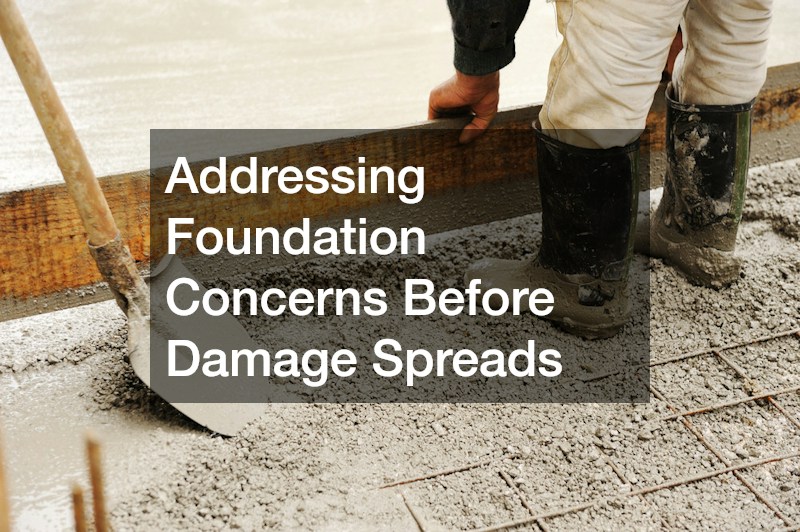
The foundation supports the weight of the home and helps maintain its structural stability. Although foundation components are often less visible than siding or roofing materials, their condition can influence doors, windows, floors, and walls throughout the building. Changes in soil moisture, inadequate drainage, and other environmental factors may contribute to movement that requires professional attention.
Homeowners should monitor visible cracks, uneven flooring, and doors that suddenly become difficult to open or close. While these symptoms do not automatically establish that serious structural damage exists, changes that become more noticeable over time should receive attention. Documenting observations with dated photographs can help professionals evaluate whether conditions are changing and determine what additional investigation may be appropriate.
When foundation repairs are necessary, identifying the underlying cause is an important part of developing an effective solution. Depending on the circumstances, professionals may recommend structural stabilization, drainage improvements, or other corrective measures. Obtaining a thorough assessment helps homeowners understand the scope of the problem before committing to work that addresses only visible symptoms.
Exterior maintenance also plays a role in protecting the foundation. Soil should direct water away from the building where possible, and downspouts should discharge appropriately rather than allowing runoff to collect against exterior walls. Homeowners should watch for persistent pooling after rainfall and investigate changes in surrounding soil conditions. Coordinating drainage improvements with structural assessments can help address related concerns more effectively.
Managing Pests and Maintaining Healthy Outdoor Spaces
Outdoor conditions can influence the likelihood of unwanted insects and animals entering a home. Overgrown vegetation, standing water, accessible food sources, and gaps around exterior openings may create favorable conditions for pests. Maintaining the surrounding property helps reduce these opportunities while improving accessibility for routine inspections and repairs.
Homeowners should inspect areas around utility connections, exterior doors, basement windows, and attic openings for potential entry points. Keeping food in sealed containers, promptly addressing leaks, and maintaining clean storage spaces can also discourage unwanted activity indoors. Unexplained droppings, damaged materials, or recurring insect sightings may indicate that a more comprehensive assessment is necessary.
Professional pest control services can help identify the source of recurring infestations and recommend measures appropriate for the particular species involved. An effective approach may include addressing entry points, removing attractants, and monitoring areas where activity has occurred. Homeowners should communicate concerns about children, pets, and other household circumstances when discussing treatment options with a provider.
Working with local landscaping contractors can complement these efforts by improving the condition and organization of outdoor spaces. Appropriate plant placement, thoughtful pruning, and effective drainage can make exterior maintenance easier while reducing conditions that encourage certain pests. Keeping vegetation away from vulnerable building components and maintaining accessible pathways around the house can simplify inspections. These combined practices help protect both the appearance and functionality of the property without overlooking practical maintenance needs.
Keeping Garage Doors and Entry Systems Functional
Garage doors provide convenient access to vehicles, tools, recreational equipment, and household storage. Frequent use exposes moving components to wear, while weather conditions can affect seals and other exterior materials. A malfunctioning door can disrupt household routines and create safety concerns, particularly when it becomes difficult to operate or fails to close properly.
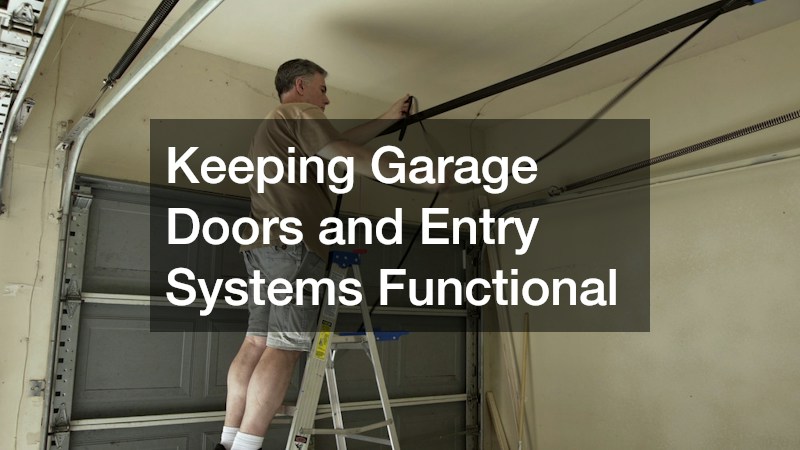
Changes in movement, unusual grinding sounds, and inconsistent responses to controls deserve investigation. Homeowners can visually inspect accessible components for obvious deterioration and check whether weather seals remain intact. Testing safety features according to manufacturer instructions is another important part of routine maintenance. However, springs, cables, and related components can remain under considerable tension and should not be adjusted without appropriate training.
Professional garage door repair can address problems involving worn hardware, damaged tracks, malfunctioning openers, and other mechanical concerns. A technician can determine whether replacement components or more extensive work would be appropriate based on the door’s overall condition.
Homeowners should consider the garage’s broader role in protecting household belongings. Damaged seals may allow precipitation, debris, and pests to enter, while an improperly closing door can compromise security. Organizing stored items away from moving equipment and keeping pathways clear helps maintain safe access. Maintaining these systems contributes to a more secure and convenient household environment.
Preventing Basement Moisture and Responding to Water Damage
Basements can be particularly vulnerable to moisture because they are located partially or entirely below ground. Water may enter through cracks, window openings, or other gaps, especially when surrounding drainage conditions are inadequate. Plumbing failures and appliance leaks can also introduce moisture into these spaces. Addressing the source promptly helps limit damage to stored belongings, finished rooms, and building materials.
Homeowners should monitor basement walls and floors for discoloration, dampness, and persistent musty odors. Inspecting the area following heavy rainfall can reveal patterns that may not be apparent during dry weather. Storing valuable belongings above floor level and avoiding unnecessary clutter can make inspections easier while reducing exposure to minor flooding.
Professional basement waterproofing services can help homeowners evaluate moisture concerns and determine which preventive improvements are appropriate. Depending on the property, recommended measures may involve drainage systems, sump pumps, exterior improvements, or other methods of controlling water infiltration.
When flooding or significant leakage occurs, water damage restoration services can help assess affected materials, remove excess moisture, and develop an appropriate recovery plan. Homeowners should avoid entering flooded areas where electrical hazards or contaminated water may be present. Promptly contacting qualified professionals can help determine which materials can be recovered and which require removal. Maintaining records of the damage and completed work may also assist with insurance discussions and future maintenance planning. Combining preventive improvements with an emergency response plan helps households prepare for unexpected water incidents.
Extending Appliance Life Through Preventive Care
Household appliances simplify essential responsibilities, but regular use eventually affects their performance. Refrigerators, washing machines, dishwashers, and other equipment require appropriate cleaning and maintenance to operate as intended. Ignoring changes in performance can lead to inconvenience, unnecessary energy consumption, and damage to nearby household surfaces when equipment develops leaks or other faults.
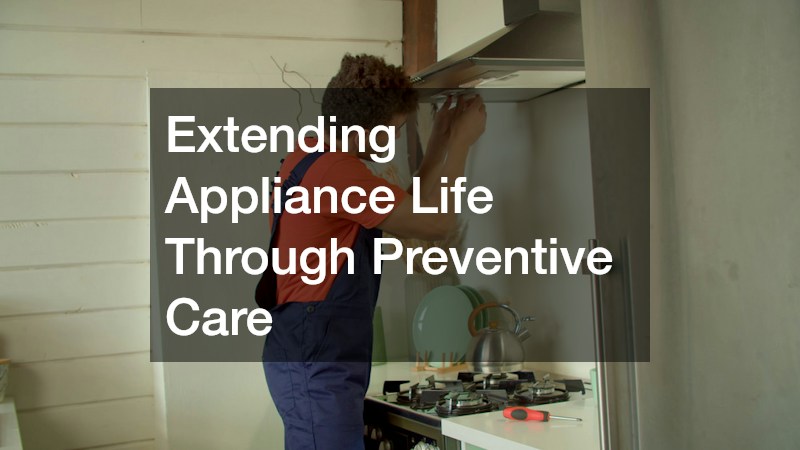
Following manufacturer maintenance instructions provides a useful starting point for protecting appliances. Homeowners can clean accessible filters, monitor supply hoses, and keep ventilation openings clear where applicable. Recognizing unusual sounds, persistent error messages, and inconsistent operation can help households determine when equipment requires professional attention.
Scheduling appliance repair when problems arise can help homeowners understand whether equipment remains suitable for continued use. Professionals can evaluate malfunctioning components and explain available options based on the appliance’s condition. Comparing repair expenses with replacement costs helps households make informed decisions rather than discarding equipment prematurely or repeatedly investing in unreliable machines.
Effective property protection ultimately depends on consistent attention to small details. Creating a maintenance calendar, setting aside funds for anticipated repairs, and keeping records of professional inspections can simplify these ongoing responsibilities. Homeowners should also review their priorities periodically as equipment ages, household needs change, and new concerns arise. By coordinating preventive care across major systems and addressing warning signs promptly, families can reduce avoidable disruptions and maintain a property that continues to support their everyday needs for years to come.