You just pulled plugs out of your lawn, and now the yard looks like a goose convention happened overnight. Little soil cores everywhere, holes punched into the turf, and a nagging question in the back of your mind: what now? Aeration does wonders for compacted soil, but the recovery window is where most homeowners either make or break their results.
The truth is, watering wrong after aeration can waste all that effort. Too little, and the roots never get the signal to stretch into those fresh air pockets. Too much, and you drown the grass or turn your lawn into a muddy mess. Timing matters more than most people realize.
This guide walks through the most common problems homeowners run into during post-aeration recovery, and gives you clear, practical fixes for each. By the end, you’ll have a watering schedule that actually works for your grass, your climate, and your soil.
Why Does Timing Your First Watering Feel So Confusing?
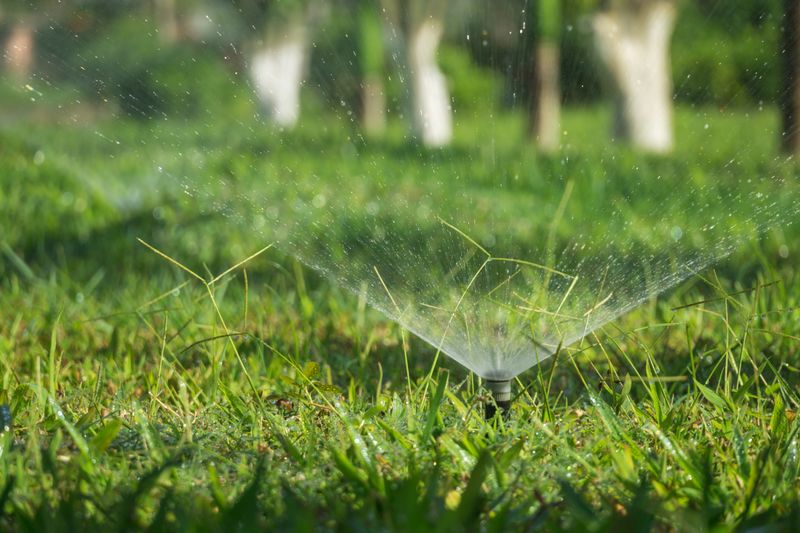
Right after the aerator finishes its pass, the lawn looks vulnerable. Open holes, exposed roots, stressed blades. A lot of homeowners panic-water immediately, soaking the yard before the soil has even had a chance to settle. Others wait too long, assuming the grass is tough enough to figure it out on its own.
Neither extreme works well. The first watering sets the tone for the entire recovery. You want moisture that penetrates the holes and reaches the root zone, but not so much that it washes the cores back into the turf or creates standing puddles.
The 24-Hour Rule
Within the first 24 hours after aeration, give your lawn a deep, slow soak. Aim for about one inch of water across the entire surface. This encourages roots to grow down into the newly opened channels, which is exactly what you want. Use a rain gauge or a tuna can on the lawn to measure. If the water pools or runs off, pause for 20 minutes and resume, letting the soil absorb in stages.
How Often Should You Water During the First Two Weeks?
The two weeks after aeration are the recovery sweet spot. Your lawn is actively healing, roots are reaching, and seed (if you overseeded) is germinating. Consistent moisture is the goal, not saturation.
For most cool-season grasses, watering lightly once or twice a day for the first 10 to 14 days keeps the top inch of soil damp without drowning it. Warm-season grasses can usually handle slightly longer gaps. The exact frequency depends on temperature, wind, and whether you seeded at the same time.
Here’s a simple breakdown of what the first two weeks should look like:
- Days 1-3: Water lightly twice a day, morning and early afternoon
- Days 4-7: Reduce to once daily, deeper each time
- Days 8-10: Water every other day, longer sessions
- Days 11-14: Transition toward a normal weekly schedule
- Skip watering on rainy days — overdoing it invites fungus
According to Iowa State University Extension and Outreach, early fall and mid-spring are ideal for aerating cool-season lawns like Kentucky bluegrass, which happens to line up with mild weather that makes consistent watering much easier to manage.
What If You Overseeded at the Same Time?
Aeration and overseeding are a classic combo. Those plug holes are basically perfect seed beds, and the loosened soil gives new grass a head start. But adding seed changes the watering game completely. Dry seed is dead seed.
If you spread seed after aerating, the top quarter inch of soil needs to stay consistently moist until germination. That usually means three or four very light waterings a day, just enough to keep the surface damp. Skip one hot afternoon, and you can lose a whole batch of seedlings.
Once the new grass hits about an inch tall, you can start pulling back. Drop to twice daily, then once, then every other day. The goal is to train the young roots to dig deeper searching for moisture. Shallow watering forever creates shallow roots forever.
How Do You Know If You’re Watering Too Much or Too Little?
This is where a lot of homeowners second-guess themselves. The lawn looks fine one day and yellow the next. Reading your grass is a skill, and it’s one worth developing because no fixed schedule beats paying attention.
Signs you’re overwatering include spongy soil underfoot, mushroom growth, a sour smell near the surface, and yellowing blades that look limp rather than crispy. Fungal diseases like brown patch love warm, soggy turf, and post-aeration lawns are especially vulnerable since the soil is already disturbed.
Signs you’re underwatering are easier to spot:
- Footprints that stay visible long after you walk across
- A dull, blue-gray tint to the grass blades
- Soil that feels hard and dry two inches down
- Curling or folding grass blades
- Slow or stalled recovery around the aeration holes
A screwdriver is your cheapest diagnostic tool. Push it into the soil. If it slides in six inches easily, moisture is good. If you have to lean on it, water more. If it comes out dripping, back off.
Which Watering Mistakes Slow Recovery the Most?
Even with good intentions, small habits can drag out recovery by weeks. Understanding how to aerate your lawn is only half the battle — what you do afterward determines whether all that work pays off. These are the mistakes that come up over and over.
Nighttime watering is a big one. Water sitting on grass blades overnight is an open invitation for disease, especially when the soil has just been opened up and stressed. Early morning, between 5 and 9 a.m., is almost always the right window. Blades dry during the day, roots get what they need, and evaporation stays manageable.
Another frequent slip-up is treating the entire lawn as one uniform zone. Shady areas need noticeably less water than sunny ones. Slopes drain faster than flat sections. South-facing stretches dry out before north-facing ones. Adjusting zone by zone, even informally with a hose, makes a real difference.
Lawn Care Upkeep Essentials After Aeration
Beyond watering, a few supporting practices lock in results. Keep foot traffic off the lawn for at least a week. Hold off on mowing until the grass has grown back to its normal height, and raise your mower deck for the first cut so you’re not scalping stressed turf. Avoid fertilizing with high-nitrogen blends right away if you overseeded, since young seedlings can burn easily.
These Upkeep Essentials are what separate a lawn that bounces back in two weeks from one that limps along for a month. Treat the recovery period as its own project, not an afterthought. If you want to go deeper on the full aeration process from start to finish, these long-term lawn health practices tie everything together.
How Should You Transition Back to a Normal Schedule?
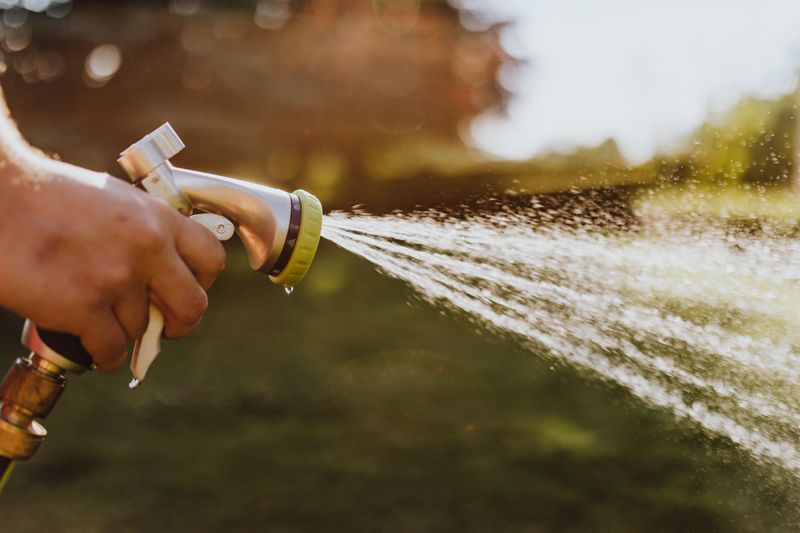
After about two to three weeks, your lawn should be noticeably recovered. Aeration holes are closing, new growth is filling in, and the grass looks more vibrant than before. Now it’s time to shift from recovery mode to maintenance mode, and the transition should be gradual, not abrupt.
Start stretching the gaps between waterings. Instead of every other day, try every third day with a deeper soak. Then move toward the standard recommendation of about one inch of water per week, delivered in one or two sessions. Deep, infrequent watering builds drought-resistant roots that reach further into the soil.
A few benchmarks to aim for as you transition:
- Water one to two times per week, not daily
- Deliver roughly one inch total per week, including rainfall
- Water in the early morning, never at night
- Adjust for weather — more during heat waves, less in cool spells
- Watch the grass, not the calendar, for the final word
According to Clemson University Cooperative Extension, core aeration helps grass grow thicker and stronger over time, and the right watering follow-through is what makes that long-term benefit actually show up in your yard.
Conclusion
Post-aeration watering isn’t complicated once you break it down. The first 24 hours call for a deep soak. The first two weeks need consistent moisture, lighter and more frequent. And by week three, you’re easing back into a normal rhythm that trains deep, resilient roots.
Pay attention to what your lawn is telling you. A screwdriver, a tuna can, and a quick morning walk across the yard will teach you more than any rigid schedule ever could. Every lawn has its own personality, shaped by soil type, sun exposure, and the grass you’re growing. The homeowners who get the best recovery results are the ones who stay curious and adjust as they go.
Aeration is one of the best things you can do for a tired lawn, but it only pays off if you follow through. Water with intention over the next few weeks, and the yard you see a month from now will make every one of those plugs worth it.