
A vibrant, well-structured residential landscape represents one of the most effective ways to boost curb appeal, enrich daily outdoor living, and protect long-term real estate valuation. When properly planned and maintained, a home’s outdoor surroundings function as an open-air extension of the living space. Broad expanses of green grass, healthy shade trees, neat planting beds, and functional borders establish a welcoming visual transition between the home’s architecture and the surrounding environment. Beyond surface aesthetics, a thriving landscape stabilizes topsoil against heavy runoff, moderates summer microclimates around exterior walls, and filters dust and environmental noise before it reaches indoor living areas.
However, cultivating a resilient yard requires far more than casual mowing or occasional weekend watering. A residential property is a dynamic ecosystem where topsoil chemistry, microbial activity, moisture availability, root competition, and insect populations interact on a daily basis. Success comes from understanding how each layer of the landscape supports the others, from the organic structure of the soil to the upper reaches of the tree canopy. Homeowners who take a methodical approach to grounds care prevent costly landscape replacements, protect adjacent architectural foundations from moisture imbalance, and cultivate outdoor spaces that thrive throughout every season of the year.

Relieving Soil Compaction and Restoring Density in Weather-Worn Turf
Over months of foot traffic, lawn equipment usage, and heavy seasonal rainfall, the upper inches of residential topsoil gradually compress into a hard, dense layer. This soil compaction squeezes out the microscopic air pockets required for healthy root respiration, preventing rainfall and liquid nutrients from penetrating deep into the root zone. Under these suffocating conditions, turf grasses thin out, develop shallow roots, and struggle to recover from summer heat stress or minor fungal outbreaks.
Scheduling comprehensive lawn aeration and seeding during prime seasonal windows resolves soil compaction by extracting thousands of cylindrical soil cores across the lawn. These small openings relieve lateral pressure in the root zone, creating direct pathways for oxygen, moisture, and fertilizer to reach deeper soil strata. Overseeding immediately after core extraction deposits high-performance grass cultivars directly into the aerated holes, where seed-to-soil contact is optimal, and moisture levels remain consistent for rapid, uniform germination.
The integration of mechanical core removal and modern turf cultivars restores density across thinning lawns without disturbing the subgrade. Deeper root systems established through this process anchor the turf firmly against erosion, crowd out opportunistic weed seedlings, and improve the lawn’s natural resilience during periods of summer heat and drought.
Balancing Core Macronutrients to Fuel Deep Root Strength and Leaf Color
Grass plants draw continuous nutrition from the surrounding soil to produce carbohydrates, generate healthy chlorophyll, and expand their sub-surface root networks. Over a single growing season, rapid shoot growth, routine mowing clippings removal, and seasonal rainfall leach essential nitrogen, phosphorus, and potassium from the upper soil layers. Without deliberate nutrient replenishment, lawns gradually lose their vibrant green color, display yellowing leaf blades, and become susceptible to rust, red thread, and root rot.
Applying calibrated lawn fertilization blends delivers a balanced mix of macro- and micronutrients tailored to the specific needs of cool-season or warm-season turfgrasses. Controlled-release nitrogen formulations provide a steady supply of nutrients over several weeks, avoiding the rapid, weak leaf surges caused by fast-release synthetic fertilizers. Supplementary potassium strengthens plant cell walls, improving thermal tolerance and helping the lawn withstand foot traffic and dry spells.

Optimizing Automated Water Delivery to Prevent Drought Stress and Runoff
Water delivery represents one of the most critical factors governing turf vitality, yet improper watering practices are among the most common causes of lawn decline. Shallow, frequent watering with hose-end sprinklers encourages turf to develop weak, surface-level roots that quickly wither under intense sun. Conversely, overwatering saturates the soil profile, driving out oxygen and creating damp conditions where fungal blights thrive.
Upgrading to an automated irrigation system equipped with smart weather sensors and matched-precipitation rotary nozzles delivers precise moisture volumes directly to root zones. Modern smart controllers calculate regional evapotranspiration rates and track real-time rainfall data, adjusting watering runtimes automatically to prevent water waste and avoid over-saturation. Designing dedicated zones for shaded turf, sunny areas, and shrub beds ensures that each area receives the exact moisture volume required for healthy growth.
Targeted, deep-watering schedules encourage grass roots to drive deep into the subsoil in search of moisture, building a naturally drought-tolerant turf structure. High-efficiency rotary nozzles and pressure-regulating spray heads eliminate surface misting, reduce wind drift, and minimize runoff across paved walkways, ensuring every gallon of water supports deep plant health.
Applying Slurry-Based Seed Mixes for Rapid Germination on Slopes
Establishing new turf across bare ground, steep lawn slopes, or extensive construction zones presents difficult erosion challenges when relying on traditional broadcast seeding methods. Heavy seasonal downpours routinely wash dry seeds down hillsides, carving rills into freshly graded topsoil and leaving behind bare, patchy slopes that require repeated grading and reseeding.
Contracting professional hydroseeding companies provides a fast, one-step solution for establishing turf across large, uneven, or sloped areas. Technicians spray a pressurized slurry mixture of certified seed cultivars, wood-fiber mulch, organic tackifiers, and starter fertilizers evenly across the prepared ground. The tackifier bonds the mulch fibers and seeds to the soil particles, forming an erosion-resistant crust that withstands heavy rains and gusty winds without washing away.
The dense mulch matrix retains up to ten times its weight in water, creating a moist, protected microclimate that accelerates seed germination. Seedlings emerge uniformly through the protective fiber mat, which gradually decomposes into organic soil matter as the young root systems knit the slope together into a stable, green turf surface.
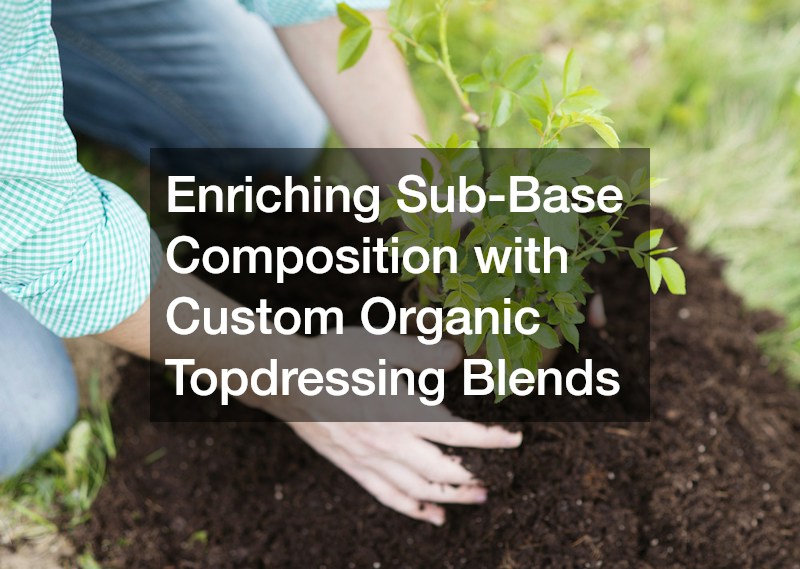
Enriching Sub-Base Composition with Custom Organic Topdressing Blends
The long-term performance of any turfgrass, ornamental shrub, or flower bed depends directly on the organic matter content and biological activity of the underlying soil. Many suburban residential properties feature depleted subsoils stripped of topsoil during original construction, leaving heavy clay or loose sand with very little organic material. In such soils, moisture drains too quickly or pools persistently, and synthetic fertilizers wash away without being absorbed by plant roots.
Utilizing specialized garden soil services allows homeowners to amend existing ground profiles with screened organic compost, worm castings, and rich loamy topsoils. Spreading a thin layer of fine organic matter across existing turf—or tilling custom soil blends into new planting beds—introduces beneficial soil microbes that break down thatch and release locked-up mineral nutrients. Organic amendments loosen heavy clay structures to improve drainage while increasing the water-holding capacity of sandy soils.
Healthy biological activity within amended soil improves soil aeration naturally, encouraging earthworms and beneficial bacteria to build a crumbly, nutrient-rich soil structure. Plants grown in biologically active soils develop extensive root systems, display higher resistance to environmental stress, and require lower chemical inputs over time.
Deploying Pre-Emergent Barriers to Stop Broadleaf and Grassy Invaders
Invasive weed species such as crabgrass, dandelions, clover, and thistle compete aggressively with turfgrass for sunlight, soil moisture, and essential nutrients. Weeds often produce thousands of airborne seeds that remain viable in the soil for years, germinating quickly whenever heat, moisture, or bare turf patches present an opportunity. Relying solely on hand-pulling mature weeds is time-consuming and often leaves root fragments behind that quickly sprout into new plants.
Implementing a targeted weed control strategy combines timely pre-emergent applications in early spring with targeted post-emergent spot treatments throughout the growing season. Pre-emergent barriers dissolve into the top fraction of soil, inhibiting weed seedlings from developing root structures as they attempt to germinate. Selective post-emergent applications target broadleaf weeds without harming surrounding desirable turfgrass blades, clearing out established invaders cleanly.
Controlling weed populations before they mature and set seed preserves the uniform appearance and density of the lawn. Eliminating competition for water and nutrients allows turfgrass to fill in open areas naturally, creating a thick, unbroken carpet of grass that blocks sunlight from reaching the soil surface and naturally prevents future weed seeds from germinating.
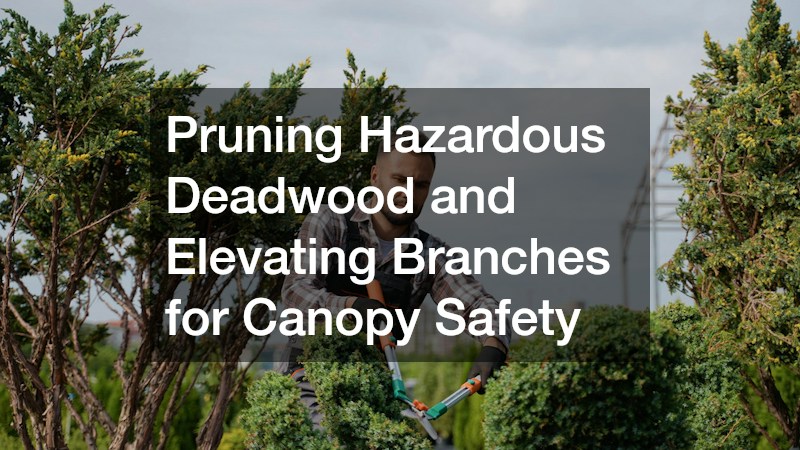
Pruning Hazardous Deadwood and Elevating Branches for Canopy Safety
Mature trees contribute immense character, cooling shade, and visual structure to residential grounds, but their upper branches require regular maintenance to remain safe and structurally sound. Heavy deadwood, crossing branches, and imbalanced lateral limbs can become serious hazards during severe weather. High winds, heavy snow, and freezing rain exert substantial leverage on compromised branches, snapping them off and damaging roofs, gutters, parked cars, or power lines below.
Executing systematic tree trimming removes hazardous, dead, or diseased limbs while maintaining the natural symmetry and architecture of the canopy. Professional tree workers use directional pruning cuts placed outside the branch bark ridge, allowing the tree to form natural protective calluses over the cuts. Elevating lower limbs over driveways, roofs, and garden walkways clears headroom, prevents abrasive branch contact with exterior walls, and allows natural sunlight to filter down to the lawn below.
Thinning out crowded interior branches reduces wind resistance throughout the canopy, allowing severe storm winds to flow through the tree rather than tearing heavy limbs from the main trunk. Precision canopy thinning also improves air circulation through the foliage, reducing the damp, stagnant conditions that favor fungal leaf blights and powdery mildew.
Scheduling Regular Arbor Audits to Preserve Mature Shade Trees
Large shade trees represent valuable, irreplaceable natural features that can take decades to mature. Beneath their exterior bark, mature hardwoods and conifers face continuous environmental stress from root compaction, soil-borne fungal pathogens, wood-boring insects, and internal heartwood decay that often remains hidden from view until structural failure occurs.
Scheduling comprehensive tree service from certified arborists provides detailed tree health assessments, structural stability audits, and targeted treatments to preserve high-value trees. Arborists inspect trunks for hollow cavities, evaluate fungal conks near root flares, and use deep-root liquid fertilization to deliver targeted micronutrients directly to the feeding root zone. When trees display structural vulnerabilities, arborists install flexible dynamic cabling systems high in the canopy to support co-dominant trunks without restricting natural movement.
Establishing Perimeter Defenses to Deter Sub-Surface and Nuisance Insects
The outdoor landscape is home to a wide variety of insects, many of which play beneficial ecological roles in soil aeration and organic decomposition. However, destructive pest species—such as white grubs, chinch bugs, sod webworms, ticks, and mosquitoes—can quickly overrun turf and outdoor living areas. Lawn grubs chew through grass roots just beneath the soil surface, causing broad sections of turf to die and roll up like loose carpet, while mosquitoes and ticks make backyards uncomfortable and carry regional health risks.
Applying integrated pest control measures focuses on targeted sub-surface treatments and exterior perimeter barriers that suppress harmful insect populations while protecting non-target pollinators. Applying preventative treatments when turf-damaging larvae are young and feeding near the surface stops root destruction before visible lawn damage appears. Exterior barrier treatments around patios, foundation walls, and shaded landscape beds suppress mosquitoes and ticks, creating a comfortable outdoor setting for family activities.
Eliminating turf-destroying insects preserves the structural density of the lawn and prevents secondary damage caused by foraging animals, such as raccoons, skunks, and birds digging up turf in search of grubs. Targeted treatments protect the landscape, improve household comfort, and keep outdoor spaces enjoyable throughout the warmer months.
Partnering with Certified Exterminators for Integrated Barrier Protection
Insect and arachnid populations that multiply in thick turf, mulch beds, and perimeter woodpiles often migrate into the home through weep screeds, crawlspace vents, and foundation gaps during seasonal weather shifts. In late autumn, spiders, crickets, and ants search for warm indoor shelters, while wet spring conditions drive subterranean pests upward into wall cavities and basement storage spaces.
Partnering with an experienced pest control company establishes an ongoing protective barrier around the exterior perimeter of your home. Licensed technicians inspect exterior walls, seal structural utility penetrations, clear spider webs from eaves, and apply residual perimeter barriers along the foundation line. They evaluate moisture conditions around hose bibs, air conditioning condensate lines, and landscape drainage exits, addressing the damp microclimates that attract foraging pests.
Cultivating an attractive, resilient, and manageable landscape requires coordinating soil preparation, balanced nutrition, efficient water delivery, proactive weed management, and professional arboriculture into a single property care plan. Prioritizing root-zone aeration, organic soil amendments, and automated irrigation before investing in extensive turf replacement or ornamental plantings ensures that every dollar spent rests on a healthy, biologically active foundation. Combining thick, weed-free turf with structurally pruned shade trees, healthy planting beds, and clear foundation perimeters creates an inviting landscape that enhances the home’s architecture and stands up to seasonal weather stress.