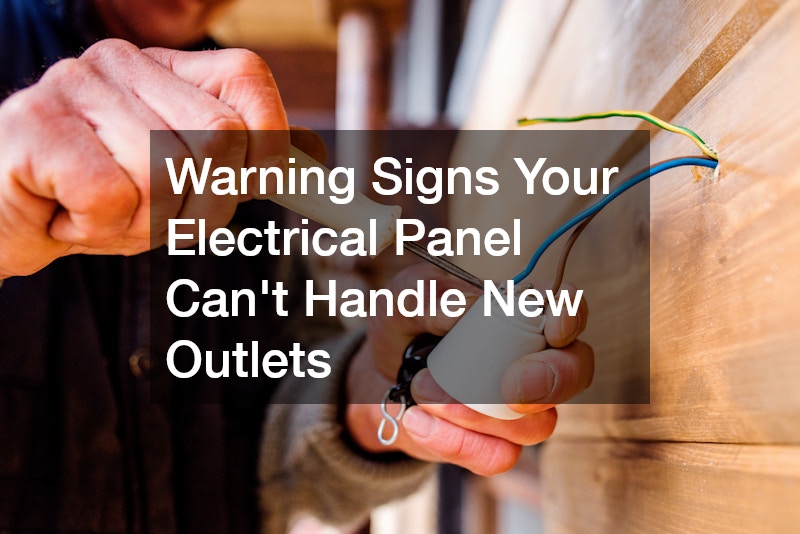
Modern homes run on power, and as technology evolves, the demand for accessible electricity grows rapidly. From smart home gadgets and high-performance gaming computers to electric vehicles and updated kitchen appliances, homeowners constantly find themselves needing additional outlets to keep everything connected and charged. However, plugging in a new power strip or hiring someone to install extra wall outlets is not always as simple as running a few wires behind the drywall. Understanding the warning signs that your main service panel is maxed out is essential for keeping your home, appliances, and family safe.
One of the most obvious indicators that your panel is struggling under its current load is frequent circuit breaker tripping. Circuit breakers are designed to act as a safety mechanism, shutting off the flow of electricity when a circuit draws more amperage than it is rated to safely handle.
If you plug in a vacuum cleaner, space heater, or hair dryer and immediately hear the distinct click of a breaker snapping off in the basement, your system is telling you that the circuit is overloaded. While resetting the breaker once or twice might seem like a minor annoyance, recurring trips mean the existing demand already exceeds safe operating parameters.
Another warning sign that often goes unnoticed until it becomes severe is dimming or flickering lights. If the overhead lighting in your living room or kitchen dims momentarily every time the refrigerator kicks on, or the air conditioner cycles start, your electrical system is experiencing a voltage drop. This sudden dip occurs because the panel cannot supply enough immediate power to meet the sudden surge demanded by large appliances while simultaneously maintaining steady output to smaller fixtures. Adding new outlets to a system that already exhibits these power dips will divide the available current even further, leading to permanent brownout conditions, erratic device behavior, and potential damage to sensitive modern electronics.
The physical condition and age of the electrical panel itself offer critical clues regarding its capacity. Homes built several decades ago were typically designed with 60-amp or 100-amp electrical panels, which were more than adequate for an era before high-powered appliances, central HVAC units, and multiple televisions per household. Today, standard modern residential construction requires at least a 200-amp service panel to manage typical household power demands safely. If your property still relies on an outdated fuse box or a low-amperage panel, it lacks the raw capacity to handle additional electrical infrastructure. In these cases, attempting to add new outlets without upgrading the main service panel first is unsafe. Consulting a qualified professional, such as a certified electrician in Binghamton, NY, can help you evaluate your current amp service and determine if an upgrade is necessary.
In addition to capacity limitations based on amperage, physical space within the panel box is a major constraint. A main service panel contains a specific number of slots designed to hold individual circuit breakers. Over time, as previous owners added central air conditioning, upgraded kitchen equipment, or finished basements, those individual slots may have been completely filled. Sometimes, past installers use tandem breakers—single-slot breakers that control two circuits—to squeeze extra capability out of a full box. However, every panel has a maximum limit on how many total circuits it can safely support. If your panel is completely packed with breakers, or if double-tapped wires are present where two circuits are crammed into a single terminal, there is physically no safe way to add a new dedicated circuit for your new outlets.
Pay close attention to physical symptoms around the panel and existing outlets, as thermal and sensory warnings indicate immediate danger. An electrical panel should always feel cool to the touch. If you place your hand on the panel door and feel noticeable warmth, or if you catch a subtle burning smell similar to melting plastic or warm rubber near the breaker box, the system is severely overloaded. Heat is a direct byproduct of electrical resistance, which occurs when excessive current attempts to push through undersized or aging conductors.
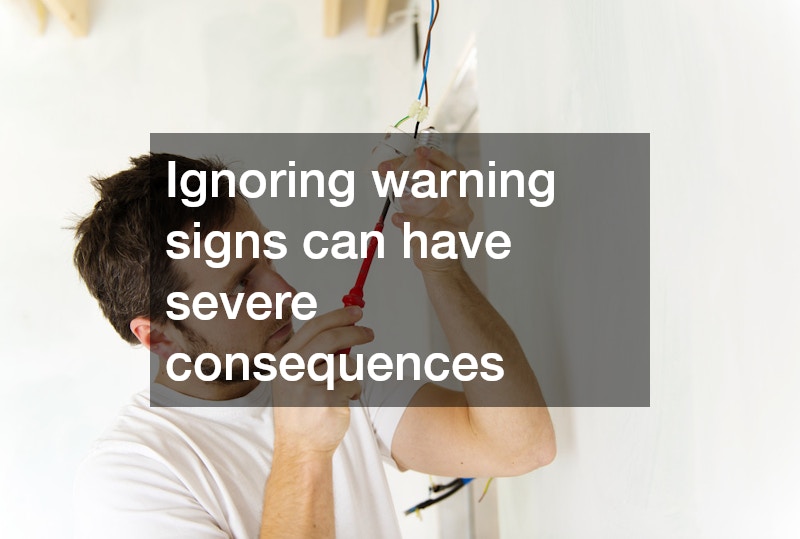
Ignoring these structural warning signs and proceeding with outlet installations can have severe consequences for your property. When circuits operate at maximum capacity without adequate panel support, the risk of electrical fires, damaged appliances, and costly emergency repairs increases exponentially. Before adding new receptacles to your home, schedule a thorough load calculation and inspection with a licensed professional. Reaching out to a trusted electrician in Binghamton, NY, will ensure your panel is thoroughly evaluated for current capacity, proper grounding, and code compliance, giving you complete peace of mind when expanding your home’s electrical capabilities.