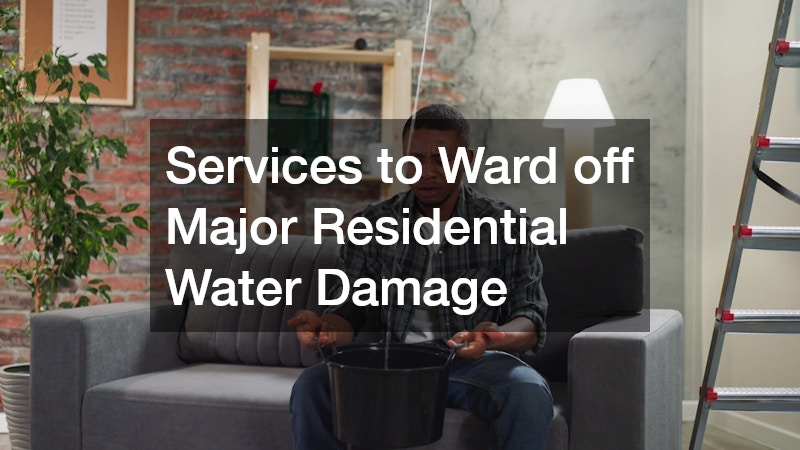
Water is one of the most destructive forces a home can face. Unlike sudden catastrophic events, water intrusion often works silently. A tiny trickle behind a wall, a hairline fracture in a copper line, or a slow drip from an attic cooling system can go unnoticed for weeks or even months. By the time visible signs appear—such as dark ceiling stains, warped hardwood floors, or a sudden musty odor—the damage has already spread into structural framing, subflooring, and insulation.
The financial impact of structural water intrusion is significant. Beyond destroying personal property, wet materials become breeding grounds for harmful mold spores. Comprehensive mold remediation and structural reconstruction can cost homeowners tens of thousands of dollars, often not fully covered by insurance if issues are due to neglected maintenance. By knowing where your home is vulnerable and hiring qualified specialists for routine maintenance and early interventions, you can build a defense against water disasters.
Fix Damaged Shingles and Divert Roof Runoff to Prevent Top-Down Leaks
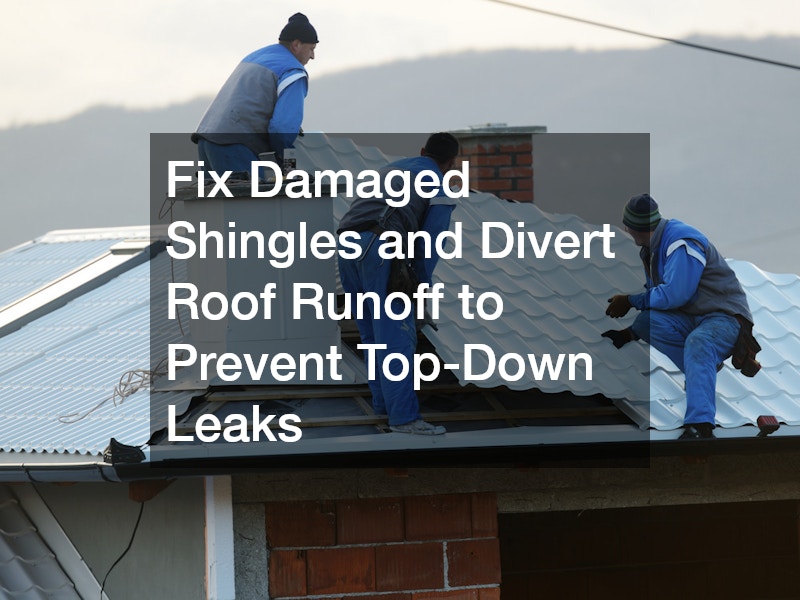
Your roof and drainage network represent the absolute first line of defense against atmospheric moisture. Every year, thousands of gallons of rainwater fall onto the average residential roof, and if that water is not collected, directed, and shed properly, gravity will inevitably pull it into your living spaces. Over time, heat, wind, and solar radiation degrade roof components, creating subtle entry points that allow moisture to bypass shingles and seep into attic spaces.
Roof valleys, chimney flashings, and skylight perimeters are notorious hot spots for water intrusion. When heavy storms strike, water can back up beneath compromised shingles or damaged underlayment, rotting wooden roof sheathing and destroying attic insulation before dripping onto bedroom ceilings. Furthermore, once water reaches the roofline, it relies on downspouts and drainage troughs to clear the building’s footprint. If those drainage channels are damaged, loose, or incorrectly sized, cascading water will saturate the soil around your foundation, raising hydrostatic pressure against exterior basement walls and causing basement seepage.
To maintain a water-tight overhead shield, implement these proactive measures:
- Conduct biannual visual roof inspections: Scan your roof from the ground using binoculars or perform a close-up check after severe hail or windstorms, searching for missing, curled, or cracked shingles, as well as damaged rubber boots around vent pipes.
- Extend downspout discharge zones: Ensure all downspouts funnel water at least 5 to 6 feet away from the base of your foundation wall using rigid pipe extensions or pop-up emitters to prevent soil oversaturation.
- Clear debris regularly: Keep roof valleys, fascia boards, and drainage pathways free of leaves, pine needles, and organic sludge that trap moisture against building material edges.
- Inspect attic interiors after heavy rain: Look for wet insulation, dark wood discoloration along rafters, or daylight visible through the roof deck.
While homeowner vigilance is essential, complex overhead work requires expert intervention. Engaging professional roofing services allows experienced technicians to climb safely onto your structure, re-seal flashing, spot micro-tears in underlayment, and replace compromised shingles before torrential downpours breach your ceiling. Additionally, upgrading your water diversion system through expert gutter installation ensures seamless, high-capacity channels that prevent water from washing back under your fascia boards or pooling along your home’s foundation line.
Maintain Water Pressure and Keep Main Drain Lines Flowing Freely
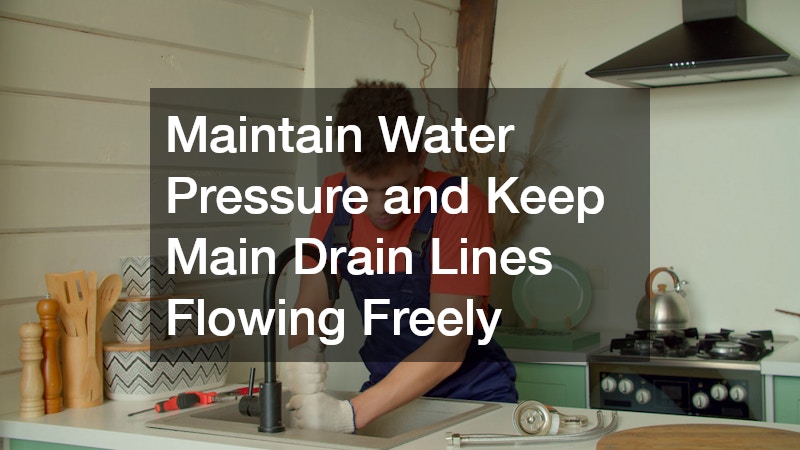
While atmospheric water attacks from above, pressurized municipal water and wastewater present severe risks from within. Modern interior plumbing operates under continuous mechanical stress. High municipal water pressure, hard water mineral accumulation, and aging pipe joints mean your interior plumbing network is always a candidate for a sudden rupture or backpressure failure.
Excessive home water pressure is a frequent catalyst for indoor flooding. Municipal suppliers often pump water through main lines at pressures exceeding 100 pounds per square inch (PSI) to reach elevated tanks and hydrants. However, standard residential plumbing components, shut-off valves, and appliance hoses are designed to operate safely between 40 and 70 PSI. If your home’s pressure-reducing valve fails, high pressure will continuously strain pipe joints, flexible supply lines under sinks, and water heating tanks until a catastrophic burst occurs. Similarly, high mineral content in hard water settles at the base of heating tanks, creating insulated sediment layers that overheat metal bottoms, corrode internal lining, and trigger tank collapses.
Protect your interior plumbing ecosystem with these daily operational habits:
- Monitor incoming water pressure: Purchase an inexpensive water pressure gauge that threads onto an outdoor hose bib or laundry sink connection; test your pressure twice a year to ensure it stays below 75 PSI.
- Flush storage tanks annually: Drain several gallons from the bottom of your hot water storage tank into a bucket to clear out calcified sediment before it corrodes the steel shell.
- Practice responsible drain habits: Avoid washing cooking fats, oils, coffee grounds, or fibrous food waste down kitchen sinks, and never flush non-dispersible wipes down toilets.
- Install stainless steel braided hoses: Replace outdated rubber supply lines on washing machines, dishwashers, and ice makers with durable braided steel flex lines.
When internal components begin to wear down, fast action is required to avoid structural disasters. Booking professional water heater repairs ensures that failing pressure relief valves, worn anode rods, or degraded heating elements are addressed before a hot water tank splits open and empties fifty gallons of scalding water across your floorboards. Likewise, calling in licensed plumbers to clear persistent clogged drains using advanced techniques like hydro-jetting removes tree roots, organic build-ups, and grease blockages, preventing major sewage backups that destroy drywall and flooring.
Upgrade Drafty Window Frames and Detect Under-Slab Leakage Early
A home’s structural shell is only as strong as its openings and its base foundation. Exterior wall envelopes are designed to shed wind-driven rain, while concrete slab foundations provide stable support over underlying soil. However, when exterior window seals decay or subterranean water lines beneath concrete slabs break down, moisture enters areas that are notoriously difficult to monitor and expensive to remediate.
Windows are complex assemblies that require precise flashing, weather-stripping, and caulking to seal out moisture. Over years of thermal expansion and contraction, exterior caulk hardens and splits, allowing driving rain to penetrate behind siding. Once water sneaks behind frame assemblies, it pools inside wall cavities, causing unseen framing rot, insulation failure, and toxic mold growth within sheetrock. Meanwhile, beneath your home, pressurized hot and cold water pipes embedded within or under a poured concrete slab are vulnerable to soil movement, friction wear, and chemical soil corrosion. A slab leak can flow silently for months, washing away supporting fill soil, cracking concrete foundations, and soaking subflooring from below.
Keep your home’s perimeter and foundation secure by following these targeted recommendations:
- Audit window perimeter seals: Inspect exterior caulk lines, drip caps, and window sills annually for cracked sealant, peeling paint, or soft, rotted wood trim.
- Track municipal utility billing: Monitor monthly water meter readings and billing statements closely; unexplained spikes in consumption frequently point to hidden subterranean line breaks.
- Perform floor temperature checks: Walk barefoot across ground-level tiled or hard-surface floors; warm spots or localized dampness can indicate a pressurized hot water line leaking beneath the concrete.
- Check basement and crawlspace perimeters: Look for efflorescence—a white, powdery mineral crust—on lower concrete walls, which indicates that ground moisture is wicking through the foundation masonry.
Protecting these critical structural zones requires specialized technical trades. Replacing degraded, single-pane units with engineered replacement windows provides built-in flashings, multi-pane insulation, and air-tight seals that keep driving rain out of wall framing. Beneath the house, high-tech diagnostic contractors utilizing specialized slab leak repairs can isolate subterranean pipe ruptures using acoustic sensors, thermal imaging, and electronic line locators, allowing them to fix broken plumbing beneath concrete without tearing up entire floorboards unnecessarily.
Clear Condensate Lines and Service Cooling Units to Avoid Ceiling Collapses
Central cooling systems are incredible mechanical comforts, but they are also massive water producers. During hot, humid months, air conditioning systems function as giant dehumidifiers, pulling gallons of moisture out of indoor air every single day. If your cooling equipment is located in an attic or upper-floor utility closet, managing that continuously condensing water is critical to preserving your ceilings and structural framing.
As warm, moist indoor air passes over cold evaporator coils, atmospheric moisture condenses on the metal fins and drips down into a primary drain pan. From there, gravity directs the water into a narrow PVC condensate line that routes the liquid outside the home. However, dark, warm, damp condensate drain pipes create the perfect environment for algae, mold, and dust sludge to flourish. When algae blocks the narrow drain line, water backs up into the drain pan. If the safety pan is rusted, cracked, or lacks an automatic shut-off switch, water overflows the pan, rapidly saturating attic joists, soaking insulation, and causing massive ceiling drywall collapses into living spaces below.
To prevent cooling system condensation disasters, execute these routine maintenance checks:
- Flush condensate lines monthly: Pour a cup of plain white vinegar down your air conditioner’s condensate drain line access port during peak summer usage to kill algae and prevent line-blocking sludge.
- Verify overflow switch functionality: Ensure your air handler unit is equipped with a float switch, which automatically cuts power to the unit if water rises inside the drain pan.
- Change air filters on schedule: Replace return air filters every 30 to 60 days to maintain strong airflow; restricted airflow causes evaporator coils to freeze into solid blocks of ice that release torrents of water when they thaw.
- Keep air handler surroundings clean: Maintain clear space around indoor air handler units, ensuring no boxes or storage items block visibility of the drain pan or drip lines.
Because cooling systems combine high-voltage electrical circuits with high volumes of moisture, professional oversight is essential. Partnering with an established HVAC company for preventative spring tune-ups ensures that condensate drain lines are flushed under pressure, electrical switches are tested, and refrigerant levels are optimized. Should you notice frozen line sets, strange gurgling sounds, or damp spots beneath the indoor air handler, calling for emergency air conditioning repair immediately stops active leaks before moisture ruins ceiling drywall and support framing.
Insulate Exposed Piping and Maintain Steady Winter Heating Output
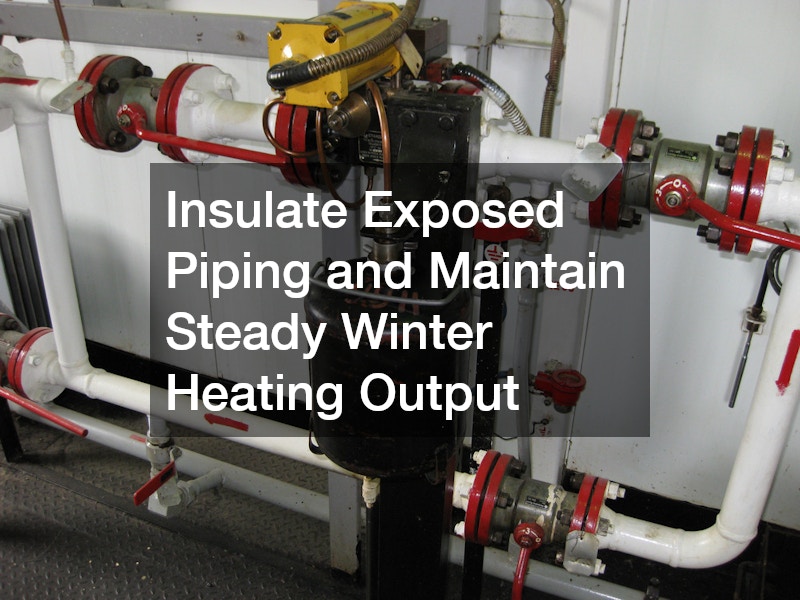
Sub-zero winter temperatures bring a distinct set of catastrophic water hazards, primarily centered around frozen and burst plumbing pipes. When liquid water freezes, it expands by approximately nine percent. When that expansion takes place inside a rigid copper, PEX, or galvanized steel pipe trapped within an unheated crawlspace, wall cavity, or attic, the physical pressure exerted by the expanding ice block can exceed 2,000 pounds per square inch.
This extreme hydraulic pressure builds up between the ice blockage and closed faucets, eventually causing the metal or plastic pipe wall to split open. The real disaster, however, occurs when ambient temperatures rise and the ice plug melts. Unattended split pipes can discharge hundreds of gallons of high-pressure water per hour directly into ceilings, wall cavities, and basements. A primary cause of winter pipe bursts is heating system failure while homeowners are away, allowing interior temperatures to drop below freezing in a matter of hours.
Protect your home against freeze-related water destruction with these winterization steps:
- Insulate vulnerable plumbing runs: Wrap foam pipe insulation or heating cables around all exposed water lines running through unheated crawlspaces, basements, attics, and exterior-facing cabinets.
- Maintain baseline indoor heating: Never set your home thermostat lower than 55°F (13°C) when traveling during winter months, ensuring sufficient warmth reaches structural wall cavities.
- Circulate warm air during severe freezes: Open cabinet doors under kitchen and bathroom sinks during extreme cold snaps to allow warm ambient household air to reach hidden plumbing fixtures.
- Drip faucets during arctic blasts: Allow a tiny trickle of water to run from faucets served by exposed exterior piping; moving water is harder to freeze, and an open tap relieves internal line pressure if ice begins forming.
Ensuring your home remains warm during critical winter freezes requires a fully functional, highly reliable heating system. Utilizing a professional furnace installation service to replace an outdated, inefficient unit ensures your home is powered by modern, reliable equipment that won’t unexpectedly fail during sub-zero cold snaps. Furthermore, scheduling routine maintenance with specialized heating repair services before winter arrives ensures igniters, draft inducer motors, and thermostats are operating flawlessly, keeping your living space warm and your interior plumbing completely safe from freezing.
Preventing residential water damage requires attention, early intervention, and partnerships with qualified trade professionals. Water intrusion is rarely sudden; it usually results from long-term wear, stress on home systems, or neglected maintenance. Viewing your home as an interconnected system—where the roof, drainage, plumbing, building envelope, and climate control work together—allows you to address vulnerabilities before they become emergencies.
Building relationships with certified service technicians before an emergency provides a trusted safety net. Routine inspections, timely upgrades, and smart home habits are investments that pay off. The cost of replacing an aging pipe fitting or installing custom flashing is a fraction of the price of major flood restoration and mold remediation. Control your home’s security by auditing high-risk zones and scheduling preventative services to keep your home dry, healthy, and sound.