
Building a home is one of the biggest investments most people will ever make, yet many homeowners enter the process without fully understanding how small decisions can affect the project for years afterward. A rushed timeline, poor communication, or cutting corners to save money can create long-term issues that are expensive and frustrating to fix later.
What makes construction mistakes especially difficult is that many problems are hidden at first. A home may look beautiful on move-in day while still containing drainage issues, inefficient systems, poor ventilation, or low-quality workmanship behind the walls. These problems often appear months later, long after warranties expire and contractors move on to other projects.
The good news is that many common issues are preventable. Homeowners who plan carefully, ask better questions, and stay involved during construction can avoid major setbacks while creating a safer, more durable, and more comfortable home.
Building Realistic Expectations From the Start
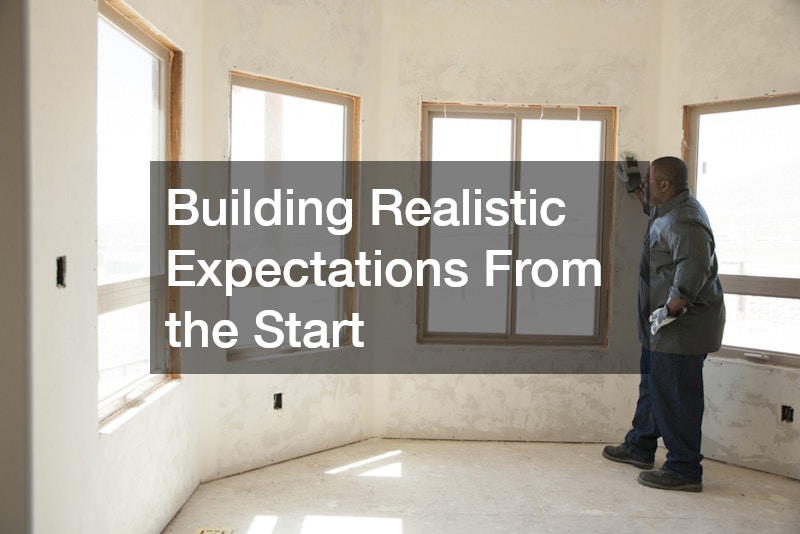
One of the earliest mistakes homeowners make happens before construction even begins. Many people spend months focusing on design inspiration and floor plans, but very little time thinking about budgets, schedules, and long-term maintenance needs.
A custom home project almost always costs more than expected. Material shortages, weather delays, permit complications, and design revisions can quickly change the financial picture. When homeowners build without a financial buffer, they often feel forced to make rushed decisions midway through construction.
Those rushed decisions usually show up in the form of cheaper materials, skipped inspections, or hiring inexperienced labor. A homeowner may choose the lowest-priced roofer without verifying insurance coverage or past work, simply because the project is already over budget. Unfortunately, short-term savings can lead to leaks, poor ventilation, or structural issues later.
Detailed contracts matter more than many people realize. Every agreement should clearly outline timelines, payment schedules, warranties, cleanup responsibilities, and change-order procedures. Verbal promises rarely protect homeowners once construction is underway.
Another common issue involves unrealistic timelines. Many homeowners expect a home build to move steadily from one phase to the next, but construction rarely works that smoothly. Delays happen for countless reasons, including inspections, weather, back-ordered materials, and subcontractor availability.
The homeowners who handle the process best are usually the ones who remain flexible while staying actively involved.
Preventing Hidden Water and Drainage Problems
Water-related mistakes are among the most expensive issues in residential construction because moisture problems tend to spread quietly before becoming visible.
A homeowner might notice a musty smell in a hallway months after moving in, only to discover that improper drainage during construction allowed water to collect behind the walls. In other cases, foundation settling begins because runoff was never directed away from the structure correctly.
Drainage planning deserves far more attention than it usually receives during home construction.
One overlooked issue involves underground plumbing inspections before concrete is poured. Once slabs are finished, accessing damaged lines becomes far more difficult and expensive. Professional plumbing contractors typically recommend pressure testing and camera inspections early in the project to catch problems before surfaces are sealed.
Drainage systems outside the home matter just as much. Soil grading should guide water away from the foundation instead of allowing pooling near the structure. Even a slight grading error can gradually weaken foundations over time.
Homeowners should also pay close attention to sewer planning. Keeping clean sewers requires more than occasional maintenance after move-in day. Proper installation, pipe slope accuracy, and material quality all influence long-term performance.
Some helpful pre-drywall checks include:
- Sewer camera inspections
- Leak testing for supply lines
- Foundation waterproofing confirmation
- Exterior grading reviews after heavy rain
These inspections may feel excessive during construction, but they can reveal major problems while repairs are still relatively simple.
Avoiding Costly Material Shortcuts
Many construction mistakes stem from trying to reduce costs in ways that ultimately create more expenses later.
When budgets become tight, homeowners often focus only on upfront pricing instead of lifespan, maintenance needs, and durability. Unfortunately, lower-cost products frequently wear out faster, especially in high-use areas.
Roofing provides a perfect example. A homeowner may choose lower-grade shingles to reduce immediate costs, only to face premature roof replacement far earlier than expected. Poor attic ventilation, weak flashing installation, and low-quality underlayment can shorten a roof’s lifespan significantly, even if the materials initially appear acceptable.
Climate should always influence material decisions. Products that perform well in dry environments may fail much faster in humid, storm-prone, or high-temperature regions.
Rather than asking, “What is the cheapest option?” homeowners should ask:
- How long is this expected to last?
- What maintenance does it require?
- How does it perform in this climate?
- What warranty limitations exist?
The same mindset applies to flooring materials, siding, windows, and cabinetry. A homeowner with children and pets may love the appearance of delicate hardwood flooring but regret the decision within a year if the material scratches easily or reacts poorly to humidity.
The best construction decisions usually balance durability, maintenance, comfort, and budget rather than maximizing only one category.
Making Smarter Choices for Indoor Comfort
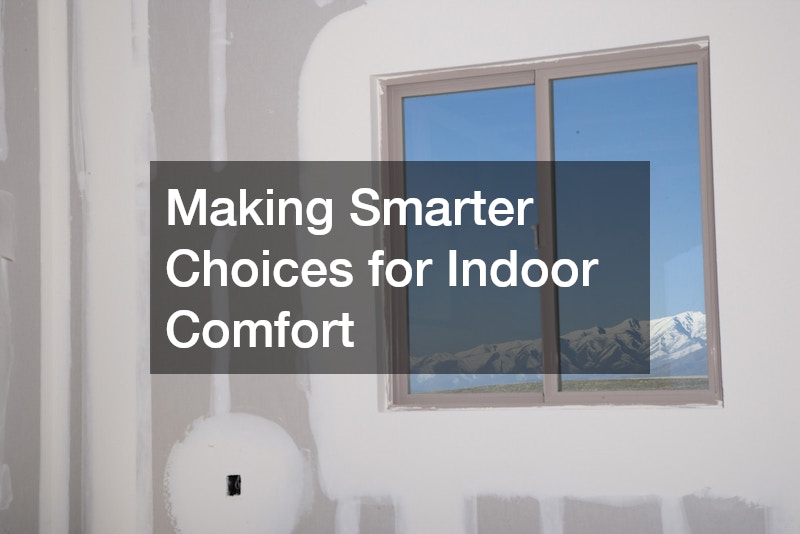
Some of the most frustrating problems in newly built homes involve indoor comfort. A house may look beautiful while still feeling too humid, too warm upstairs, or impossible to cool evenly.
These issues often originate from poor HVAC planning.
Many homeowners assume heating and cooling systems are mostly interchangeable, but system sizing and layout play a massive role in comfort and energy efficiency. Experienced HVAC contractors evaluate insulation levels, square footage, window placement, ceiling height, and airflow patterns before recommending equipment.
Improper sizing creates major problems.
An oversized system may cool the home too quickly without removing enough humidity, leaving rooms cold but damp. An undersized system may run constantly while struggling to maintain comfortable temperatures.
Ductwork design matters just as much as equipment selection. Poorly designed duct systems create uneven airflow, noisy operation, and rising energy bills.
Working with experienced air conditioner installers can help homeowners avoid common cooling mistakes such as blocked airflow, poor vent placement, or undersized return ducts.
Homeowners should also think about future needs instead of only current comfort. A family planning to expand or age in place may require different cooling strategies over time.
Comfort problems are much easier to prevent during construction than to correct later.
Planning Utility Systems With Long-Term Use in Mind
Water heating is another area where homeowners frequently underestimate long-term household demands.
A water heater that seems adequate during construction may struggle once the home is fully occupied. Morning shower schedules, laundry loads, dishwashers, and growing families place far more strain on systems than many people anticipate.
Professional water heater installations should account for both current and future usage patterns.
Tank size is only one factor. Pipe layout, recirculation systems, insulation quality, and water pressure all influence performance. Poor installation practices can shorten equipment lifespan dramatically.
For example, pressure imbalances may strain connections over time, while a poor drainage setup increases corrosion risks. Small installation shortcuts often create large maintenance issues later.
Homeowners should ask contractors detailed questions during installation, including warranty requirements, maintenance access, and efficiency expectations.
In some homes, tankless systems make excellent long-term investments. In others, traditional storage systems remain more practical depending on water demand and usage habits.
The key is avoiding one-size-fits-all thinking.
Preventing Exterior Surface Failures
Exterior surfaces are often treated as secondary priorities during construction, but they play a major role in both durability and curb appeal.
Driveways, walkways, and paved surfaces endure constant stress from weather, moisture, vehicles, and temperature changes. When installation is rushed, cracking and uneven settling can begin surprisingly fast.
Many paving problems originate below the surface.
Without proper grading and soil preparation, even high-quality paving materials can fail prematurely. Water infiltration beneath paved areas weakens support layers and accelerates cracking.
An experienced asphalt contractor usually spends considerable time preparing the base before paving begins. Homeowners sometimes become impatient during this phase because little visible progress appears to happen, but proper preparation often determines how long the surface lasts.
Drainage planning matters heavily here as well. Water should never collect near driveways or flow directly toward garage foundations.
Protective sealcoating, proper expansion spacing, and routine inspections help extend pavement lifespan considerably.
Coordinating Interior Finishes More Carefully

Flooring decisions often happen later than they should during home construction.
Many homeowners wait until the final stages of the project before seriously evaluating flooring materials, which can create scheduling conflicts and installation problems.
Flooring affects far more than appearance. It influences door clearances, trim dimensions, sound control, maintenance requirements, and moisture performance.
Delays in flooring installation sometimes force contractors to rush acclimation procedures or skip moisture testing altogether. This creates long-term risks like warping, buckling, or separation between boards.
Different materials also behave differently depending on the environment. Hardwood floors may react poorly to excessive humidity, while some laminates struggle with moisture exposure near entrances or kitchens.
Before finalizing flooring selections, homeowners should consider daily traffic, moisture exposure, maintenance expectations, and long-term durability.
Professional flooring installation also requires proper preparation beneath the surface. Uneven subfloors create shifting, squeaking, and premature wear.
It helps to coordinate flooring choices early with cabinetry, paint colors, trim styles, and lighting plans. Last-minute flooring changes can affect multiple areas of the build unexpectedly.
Improving Functionality Through Better Garage Planning
Garages are frequently underestimated during the design process. Many homeowners focus heavily on kitchens and living spaces while treating the garage as an afterthought.
That becomes a problem later when storage feels cramped, parking is awkward, or daily access becomes inconvenient.
Poor garage planning often reveals itself through small frustrations. Doors may not open fully because spacing is tight, or lighting may feel inadequate for nighttime use.
Garage doors themselves also deserve more attention during construction.
Choosing the wrong door size, insulation level, or opener system can affect both convenience and energy efficiency. Regular garage door service becomes especially important in climates with humidity, storms, or temperature swings that place additional strain on moving components.
Safety should remain a priority as well. Modern garage systems include motion detection, automatic reversal sensors, and rolling security codes that improve reliability.
Small design adjustments during construction can dramatically improve daily usability afterward.
Maintaining Strong Communication Throughout Construction
Even well-designed construction projects can develop serious problems when communication breaks down.
Homeowners sometimes assume contractors will automatically catch every issue or provide updates without being asked. In reality, construction projects involve many moving parts and multiple subcontractors working simultaneously.
The most successful homeowners stay involved without becoming overly controlling. Regular walkthroughs create opportunities to catch problems early while also building stronger communication with contractors.
One effective strategy is keeping a running notebook or digital file with:
- Questions for upcoming meetings
- Material selections
- Timeline updates
- Inspection results
- Change-order approvals
It also helps to schedule milestone walkthroughs during key construction phases instead of waiting until the final punch list. Reviewing framing, plumbing, electrical placement, insulation, and finishes before walls close up allows corrections while access remains easy.
Respectful communication is essential during a major construction project. A homeowner noticing unusual drainage near the foundation or inconsistent flooring alignment should speak up immediately rather than assuming the issue will resolve itself later.
Creating a Home That Performs Well for Years
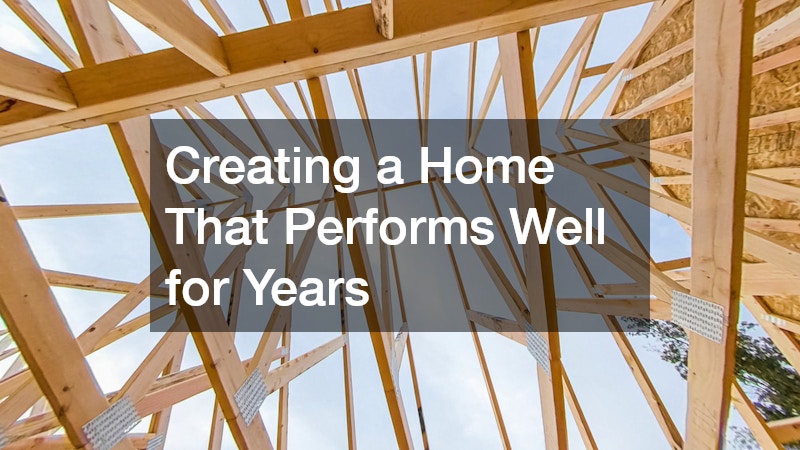
A successful home build involves far more than attractive finishes and modern design trends. The homes that perform best over time are usually the ones built with careful planning, thoughtful communication, and attention to long-term functionality.
Many costly construction problems begin with rushed decisions or overlooked details. Drainage issues, inefficient cooling systems, premature wear, and structural problems rarely appear overnight. They develop gradually because small mistakes were ignored early in the process.
Homeowners who stay engaged throughout construction place themselves in a much stronger position to avoid those outcomes. Asking questions, verifying work, planning realistically, and prioritizing quality over shortcuts can significantly improve both durability and comfort.
Building a home will always involve stress and unexpected challenges, but informed decisions make the process far more manageable. A carefully built home not only protects financial investment but also creates a safer, more comfortable place for daily life long after construction crews leave the property.