
Building, Remodeling, and Enhancing Your Home Inside and Out
Owning a home offers comfort and security, but it also comes with the responsibility of maintaining and improving your property. Every home has multiple systems and spaces that require attention, from living areas and kitchens to outdoor spaces and structural elements. Neglecting these aspects can lead to inefficiency, damage, or decreased property value, while a proactive approach ensures safety, functionality, and enjoyment for years to come.
Strategic home improvements and renovations can transform spaces, improve energy efficiency, and enhance aesthetics. They require thoughtful planning, skilled professionals, and timely execution to maximize both comfort and return on investment. This guide provides comprehensive strategies for building, remodeling, and enhancing your home inside and out. Each section offers actionable tips and best practices for homeowners looking to elevate their living spaces, whether through interior renovations, outdoor enhancements, or structural upgrades.
Transforming Basements into Functional Spaces
Basements often represent untapped potential in a home. Properly renovated, they can serve as additional living areas, home offices, gyms, or entertainment spaces. Many homeowners view basements as dark or underutilized, but with thoughtful planning, they can become some of the most versatile and enjoyable areas in a house. In addition to creating functional space, a well-executed basement renovation can significantly increase property value and enhance comfort.
Assessing Basement Potential
A detailed evaluation of the basement is the first step toward a successful transformation. Structural integrity is critical; check for foundation cracks, bowing walls, or signs of water intrusion. Moisture is a common concern, so inspect for leaks, mold, or water stains that could compromise both safety and indoor air quality. Moisture remediation, such as waterproofing or installing a sump pump, is often necessary before any cosmetic or functional upgrades.
Ceiling height should also be considered. Standard ceilings of 7–8 feet provide a comfortable living space, but low ceilings can be enhanced with recessed lighting, lighter wall colors, or even partial ceiling modifications to create a sense of openness. Natural light improves both aesthetics and functionality. Adding egress windows or enlarging existing windows can create safer, brighter spaces and ensure compliance with building codes.
Utility access must be mapped carefully. HVAC ducts, plumbing lines, and electrical wiring can influence room layouts and design possibilities. Ensure that these systems are either upgraded or relocated to support the intended use of the basement without obstructing the space.
Planning a Renovation Project
Once the basement’s potential is assessed, develop a renovation plan aligned with your goals. Determine the primary function of the space—whether it’s a home theater, office, playroom, or guest suite. This influences key design decisions including flooring, lighting, wall finishes, and furniture placement.
- Flooring options: Moisture-resistant materials like vinyl planks, engineered wood, or porcelain tiles are ideal for basements. Consider area rugs or modular carpet tiles for added comfort and style.
- Lighting solutions: Combine natural light with layered artificial lighting—recessed ceiling lights, wall sconces, and task lighting create a warm, functional environment.
- Wall finishes and insulation: Moisture-resistant drywall, insulated panels, and vapor barriers maintain temperature, improve energy efficiency, and prevent mold growth.
- Utility integration: Incorporate HVAC, plumbing, and electrical systems seamlessly to accommodate the basement’s purpose. Installing extra outlets, built-in speakers, or dedicated circuits ensures convenience and functionality.
Working with experienced contractors or custom home builders ensures that every aspect of the renovation meets safety standards, building codes, and long-term durability requirements. Professional oversight reduces the risk of costly mistakes and maximizes the functional potential of the basement space.
Designing Your Dream Home with Custom Construction
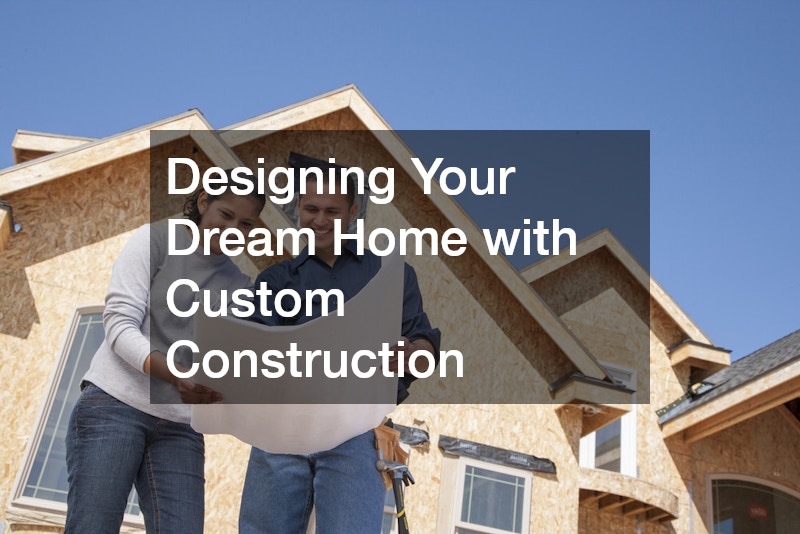
Custom construction provides homeowners with the ability to create a residence that perfectly aligns with their lifestyle, aesthetics, and long-term goals. Unlike pre-designed homes, a custom approach allows every detail to be tailored, from floor plans to finishes, creating a home that is unique and functional.
Working with Professionals
Selecting the right custom home builders is critical to the success of the project. Look for builders with proven experience, strong portfolios, and positive client reviews. Establish clear expectations regarding timelines, budgets, communication protocols, and milestone reviews. Transparent contracts outlining scope, change-order processes, and payment schedules minimize misunderstandings and keep the project on track.
Collaboration with architects, interior designers, engineers and a cabinet company during the planning phase ensures that the home is not only visually appealing but also structurally sound and energy-efficient. Engaging professionals early allows for integrated planning of electrical layouts, plumbing systems, HVAC, and storage solutions, avoiding costly modifications later in the construction process.
Maximizing Function and Style
Functionality and aesthetics should be balanced throughout the design process. Energy-efficient layouts reduce utility costs while improving comfort. Open floor plans with natural light, thoughtful circulation, and multipurpose rooms enhance usability. Integrated storage solutions—such as built-in cabinets, pantries, and walk-in closets—reduce clutter and maximize space.
Flexible spaces that can evolve with family needs or resale plans, such as bonus rooms, home offices, or media rooms, increase both the livability and long-term value of the property. Choosing durable, low-maintenance finishes for flooring, cabinetry, and countertops ensures longevity and reduces ongoing maintenance costs.
By working with a trusted team of experts, such as a highly trusted countertop installation company, homeowners can ensure that their vision is realized efficiently, safely, and beautifully, resulting in a home that is both functional and a statement of personal style.
Improving Natural Light and Energy Efficiency with Window Upgrades
Windows play a pivotal role in home comfort, energy efficiency, and aesthetic appeal. They influence natural light, ventilation, and thermal performance, making them one of the most impactful upgrades a homeowner can implement. You should always find reputable and trust worthy replacement windows contractors for your home project.
Evaluating Your Current Windows
Before selecting replacements, inspect existing windows for air leaks, damaged frames, or broken seals. Check for condensation between panes or signs of water infiltration. Evaluate the natural light each window provides and how airflow affects comfort throughout the home. Identifying gaps or inefficiencies early helps homeowners make informed decisions about window placement, style, and materials.
Selecting Replacement Windows
Modern window technology offers numerous options to improve energy efficiency and comfort:
- Double or triple-pane glass reduces heat transfer and enhances insulation.
- Low-emissivity (Low-E) coatings minimize solar heat gain while preserving natural light.
- Durable frames such as fiberglass, vinyl, or composite provide long-lasting performance and low maintenance.
- Operable windows improve ventilation and indoor air quality while maintaining security.
Professional installation ensures windows are correctly sealed, aligned, and insulated, preventing drafts and improving long-term performance. In addition, coordinating window upgrades with other construction projects, such as siding replacement with a siding company, can enhance efficiency and reduce costs.
Enhancing Kitchen Function and Style
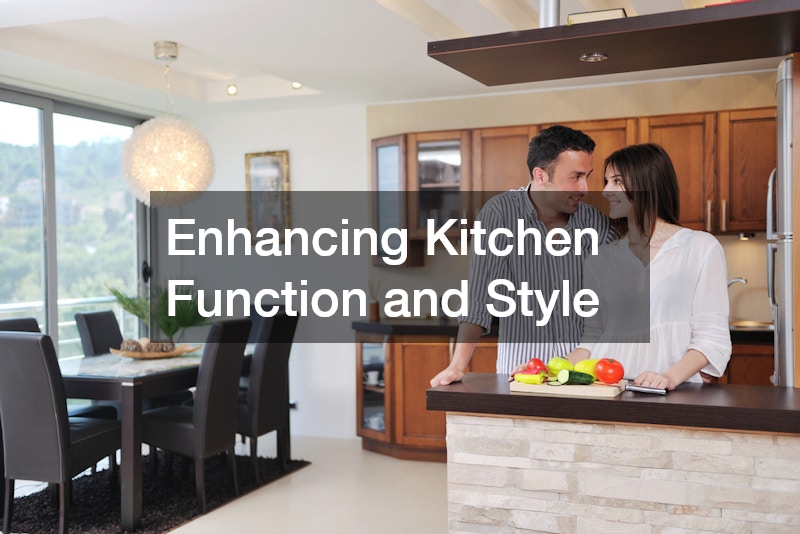
The kitchen is both a functional workspace and a social hub, making thoughtful renovations a worthwhile investment. Upgrades here improve usability, aesthetics, and property value.
Upgrading Cabinets and Storage
Cabinetry is central to kitchen organization and design. Successful planning includes accurate measurements, ergonomic layouts, and durable materials like hardwood or high-quality plywood. Features such as pull-out shelves, lazy Susans, adjustable racks, and soft-close hinges optimize space and enhance usability. Custom cabinet solutions allow homeowners to tailor storage to their cooking and entertaining needs, creating a kitchen that is both practical and visually appealing.
Installing Durable and Attractive Countertops
Countertops must balance aesthetics, durability, and maintenance. Considerations include:
- Material selection: granite, quartz, marble, butcher block, or composite materials depending on style preferences and durability needs.
- Maintenance requirements: choose surfaces resistant to scratches, stains, and heat for long-term performance.
- Professional installation: ensures precise measurement, seamless edges, and proper sealing to prevent water infiltration and damage.
Thoughtful countertop and cabinet upgrades enhance workflow, maximize storage, and create an inviting environment for cooking, entertaining, and daily living. When combined with lighting, flooring, and layout improvements, kitchen renovations transform the space into a functional, attractive focal point of the home.
Modernizing Bathrooms for Comfort and Efficiency
Bathrooms require thoughtful design to maximize comfort, safety, and efficiency. A remodel can enhance usability and aesthetics while adding value to the home.
Planning a Bathroom Remodel
Evaluate the current layout and consider upgrades such as:
- Space-efficient storage solutions
- Water-efficient fixtures like low-flow toilets and faucets
- Modern lighting, ventilation, and heating elements
Implementing the Remodel
Coordinate plumbing, electrical, and tile work to ensure high-quality bathroom remodeling services. Compliance with building codes and accessibility standards ensures safety and functionality.
Upgrading Outdoor Living Spaces with Decks and Patios
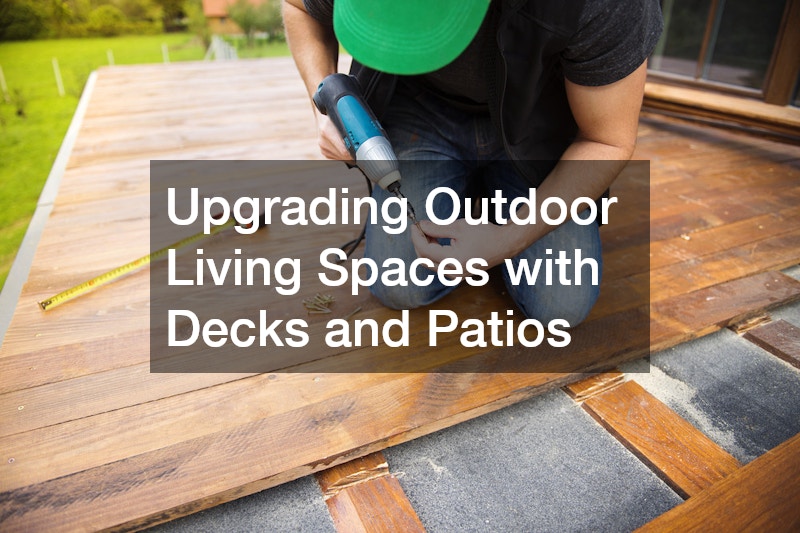
Outdoor living areas significantly enhance both functionality and enjoyment of your property. Well-designed decks and patios provide space for entertaining, relaxing, or family activities, while also increasing home value. Planning these spaces carefully ensures long-term durability, safety, and aesthetic appeal.
Planning a Functional Outdoor Area
When designing a deck or patio, consider how the space will be used and the local climate. Durable materials such as pressure-treated wood, composite decking, stone, or concrete pavers should be chosen based on weather conditions and expected wear. Design features should include:
- Comfortable seating and dining areas: Consider built-in benches, dining tables, or lounge spaces. Modular furniture can provide flexibility for different activities.
- Shade structures or pergolas: Provide sun protection and enhance comfort, especially in hot climates. Retractable awnings or pergolas with climbing plants add both function and style.
- Outdoor lighting: Proper lighting ensures safety while highlighting landscaping and architectural features. Use layered lighting such as pathway lights, wall sconces, and ambient string lights for a balanced effect.
Professional Deck Construction
Proper installation is crucial for safety and longevity. Ensure that foundation support, fastening methods, and permits meet local building codes. Deck builders can coordinate with landscaping services to integrate grading and drainage, preventing water pooling and erosion. Professional construction minimizes maintenance issues, reduces the risk of structural problems, and ensures that the deck or patio complements the overall design of the home.
Maintaining and Improving Yard Health and Aesthetics
A thriving yard enhances both the look and usability of outdoor spaces. Strategic maintenance and landscaping create a healthy environment for plants and improve property value.
Lawn and Plant Care
Maintain lawns and gardens through seasonal planting, fertilization, aeration, and irrigation management. Choose native or drought-tolerant plants to reduce water use and maintenance needs. Regular pruning, mulching, and soil testing promote long-term plant health, while sustainable landscaping practices protect the environment and lower upkeep costs.
Managing Trees and Stumps
Professional stump grinding services removes hazards and opens space for new plantings or lawn expansion. Routine tree maintenance—including pruning, trimming, and selective removal—prevents damage from falling branches, promotes healthy growth, and maintains the aesthetic appeal of the yard. Integrating these practices into a seasonal maintenance plan ensures a safe and attractive landscape year-round.
Boosting Curb Appeal and Home Protection with Siding
Siding plays a dual role: it protects the home from weather and enhances curb appeal. Regular inspections and timely upgrades prevent structural damage and improve energy efficiency.
Evaluating Existing Siding
Check for cracks, warping, water intrusion, or compromised insulation. Early detection allows for repairs before damage spreads, reducing long-term costs. Assess the siding’s material condition and consider whether replacement or additional protective measures are necessary.
Selecting and Installing New Siding
Choose siding materials that balance durability, aesthetics, and insulation benefits. Options include fiber cement, vinyl, engineered wood, or metal siding. Professional installation ensures proper sealing, weatherproofing, and alignment. Coordinating siding upgrades with other exterior projects—such as window replacement or landscaping—enhances energy efficiency and provides a cohesive appearance.
Coordinating a Comprehensive Home Improvement Plan
A strategic approach to home improvement integrates interior and exterior projects, ensuring efficiency, safety, and consistent quality.
Integrating Interior and Exterior Projects
Plan project timelines to minimize disruption and optimize resource use. For example, scheduling exterior siding work before landscaping protects plants from damage and ensures proper grading. Coordinating kitchen or basement renovations with exterior improvements can streamline contractor schedules and reduce overall costs.
Hiring and Communicating with Professionals
Vet contractors carefully by reviewing experience, certifications, insurance, and references. Clearly define responsibilities and establish communication protocols to monitor progress and address issues promptly. Regular check-ins and documented agreements help prevent delays, cost overruns, and miscommunication, resulting in a smoother, higher-quality home improvement experience.
Conclusion
Transforming a home requires careful planning, strategic investments, and professional support. Interior renovations like basement improvements, kitchen and bathroom upgrades, and window replacements enhance comfort and functionality. Exterior projects including decks, landscaping, stump management, and siding improvements protect the property, boost curb appeal, and increase long-term value.
Proactive coordination across multiple systems and spaces minimizes disruptions, avoids costly repairs, and ensures cohesive aesthetics. Working with qualified professionals—such as custom home builders, cabinet companies, deck builders, siding experts, and replacement window contractors—ensures high-quality results and lasting satisfaction.
A comprehensive home improvement strategy balances beauty, efficiency, and durability, allowing homeowners to maximize both enjoyment and return on investment. With thoughtful planning and execution, a home can remain safe, functional, and visually appealing for years, providing comfort and value for generations to come.