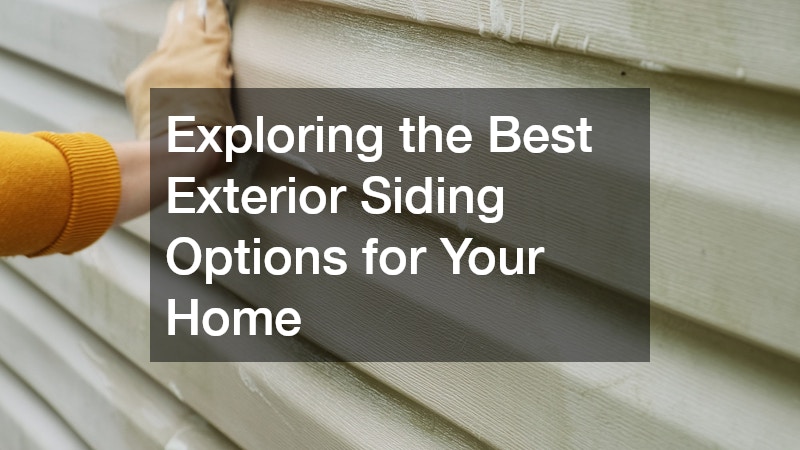
Choosing the right home siding impacts both aesthetics and functionality. Siding affects curb appeal, energy efficiency, and maintenance. This article explores various siding options, detailing their advantages and potential drawbacks.
Understanding these options helps make an informed decision that suits your aesthetic preferences and practical needs.
Popular Types of Exterior Siding?
Vinyl
Vinyl siding is popular for its affordability and low maintenance. It offers a variety of colors and styles, making it versatile and aesthetically flexible. Notably, vinyl resists moisture, which is ideal for humid regions, and it is durable, lasting decades with minimal upkeep. However, cold can make it brittle, so proper installation is crucial for longevity.
Wood
Wood siding offers a natural, timeless appeal, suitable for various architectural styles. Available in various textures, it can be painted or stained to match any aesthetic. Though beautiful, wood requires regular maintenance to prevent weathering and is vulnerable to rot, insects, and fire unless treated.
Fiber Cement
Fiber cement siding is durable and can mimic wood. Made from cement, sand, and cellulose, it’s resistant to rot, insects, and weather. It insulates well. Available in several styles, it requires little maintenance but costs more than vinyl, making it a worthwhile investment for its long-term benefits.
Metal
Metal siding, available as aluminum and steel, is known for its sleek, modern appearance. It is highly durable, fire, rot, and insect-resistant. Metal siding is recyclable, promoting sustainability. However, it requires complex installation and proper insulation to avoid energy loss.
Stone Veneer
Stone veneer offers a luxurious stone look without the weight and cost. It adds elegance and durability, resisting harsh weather. Though more expensive, it enhances curb appeal and home value. Proper installation prevents moisture issues, ensuring the siding adheres securely.
Choosing the Best Material for the Climate
Humid Climates
Moisture resistance is crucial in humid climates. Vinyl and fiber cement are favorable for their resistance to warping and mold. Proper ventilation and insulation prevent moisture problems. Regular maintenance can extend siding lifespan.
Cold Regions
Siding must endure freezing temperatures in cold climates. Wood can crack unless treated. Fiber cement and insulated vinyl provide durability and insulating properties. Metal, especially steel, works if properly insulated to maintain warmth and efficiency.
Hot and Arid Climate Considerations
In hot climates, UV-resistant siding is essential. Vinyl can fade, so choosing UV-resistant options helps. Metal reflects sunlight, keeping homes cooler, as does stone veneer. Proper insulation and ventilation manage heat effectively.
Coastal Weather Challenges
Coastal areas demand siding resistant to salt air and moisture. Vinyl and fiber cement resist corrosion and moisture, while metal needs protective finishes. Stone veneer is durable but must be installed to prevent moisture issues.
Insulating Properties of Different Materials
Insulation impacts energy costs and temperature regulation. Fiber cement insulates well, and insulated vinyl reduces thermal bridging. Metal siding offers efficient thermal protection with adequate insulation.
Installation Processes
Vinyl Siding
Vinyl siding installation requires precision for durability. Panels are hung over sheathing and secured with nails. Proper space for expansion prevents gaps and warping. Hiring professionals ensures secure installation.
Wood Siding
Wood siding installation is precise, involving overlapping to prevent moisture. It requires spacing for expansion and protective coatings. Professional installation enhances wood siding’s natural beauty and longevity.
Fiber Cement Siding
Installing fiber cement is labor-intensive, involving cutting with special tools. It’s nailed to wall studs, ensuring stability. Proper sealing and safety measures are crucial, providing durability and aesthetics.
Metal Siding
Metal siding installation involves interlocking panels with precision. Proper sealing and insulation are vital to manage energy efficiency. Skilled installation ensures modern aesthetics and environmental protection.
Stone Veneer Siding
Stone veneer installation is intricate, requiring a mortar bed and individual stone adhesion. Proper adhesive prevents moisture issues, ensuring structure and appealing finish.
Comparing Costs
Vinyl Siding
Vinyl siding is economical with a wide range of styles. The low initial investment and minimal maintenance offer great value for durable, stylish exteriors.
Wood Siding
Wood siding, offering beauty, tends to be expensive due to quality and maintenance demands. Its natural charm often justifies the investment for discerning homeowners.
Fiber Cement Siding
Mid-range priced, fiber cement balances cost with benefits. Its durability and energy benefits warrant the investment despite higher installation costs.
Metal Siding
Metal siding cost varies by material and complexity. More expensive than vinyl, it offers durability and a modern look with lower long-term costs.
Stone Veneer Siding
Stone veneer is expensive but enhances home value and appeal. Its lasting nature and low upkeep contribute to overall cost-effectiveness.
Choosing exterior siding depends on factors like aesthetics, climate, and budget. Consider your location, environment, and personal preference to determine the most suitable material. By evaluating materials, installation, and maintenance, you can make a smart investment in your home’s exterior, ensuring protection and enhancing its look.