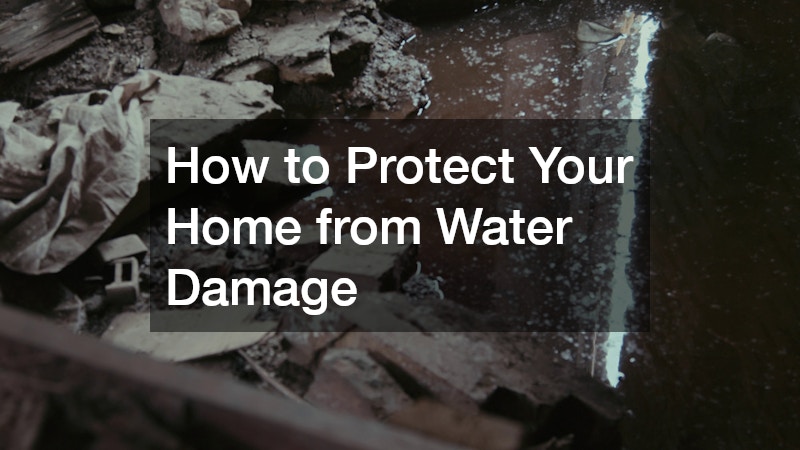
Water damage is one of the most common and costly problems homeowners face. Even a small leak, if left unchecked, can lead to extensive structural issues, mold growth, and damage to personal belongings. Beyond the immediate physical destruction, water-related problems can affect your home’s safety, indoor air quality, and resale value. The good news is that many water damage issues are preventable through proactive maintenance, timely repairs, and strategic improvements. Understanding the areas of your home that are most vulnerable and taking deliberate steps to protect them is crucial for long-term preservation. This guide provides practical, detailed strategies to safeguard your home against water damage, helping you stay prepared and avoid expensive repairs.
Inspect and Maintain Your Roof and Gutters
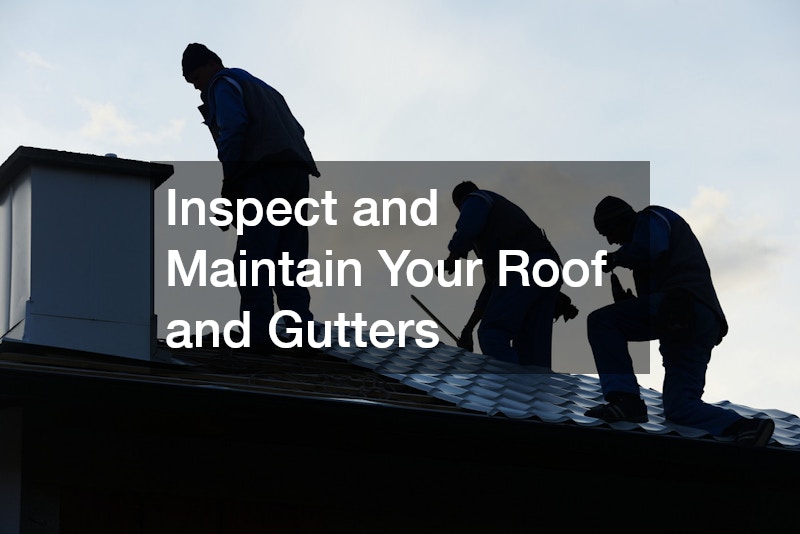
The roof is the first line of defense against water intrusion, and regular inspections are essential for preventing leaks. Start by checking for missing or damaged shingles, cracked flashing around chimneys and vents, and any signs of sagging or pooling water. Even a small crack or gap can allow rainwater to seep into your attic and eventually reach structural components. Gutters and downspouts play a critical role in directing water away from your home’s foundation. Clean them at least twice a year, or more often if you have overhanging trees that drop leaves or needles. Make sure downspouts extend at least three to four feet away from the foundation to prevent pooling near your basement walls. Additionally, inspect the roof after heavy storms to identify any immediate issues that need repair. Seasonal maintenance, combined with professional inspections every few years, can prevent most roof-related water problems before they start. Consider installing gutter guards to reduce debris accumulation, which helps prevent clogs that can overflow and damage siding and landscaping. For homes in areas with frequent heavy rainfall or snow, inspecting the attic for signs of moisture, such as dark stains, musty odors, or mold growth, is equally important. A well-maintained roof and gutter system not only prevent water intrusion but also extend the life of your home’s structural components.
Seal and Protect Your Basement and Foundation
Basements and foundations are particularly vulnerable to water intrusion because water naturally seeks the lowest point in your home. Start by inspecting basement walls for cracks, gaps, or signs of efflorescence, which indicates moisture penetration. Exterior grading should slope away from the foundation to channel rainwater toward drains rather than your home. Interior solutions include applying waterproof coatings and sealants to walls and floors. Consider installing a sump pump system to automatically remove water that collects in low-lying areas. While some waterproofing can be done by homeowners, hiring a waterproofing contractor is often the most reliable approach for larger issues. These professionals can assess drainage, install exterior barriers, and ensure your basement remains dry even during heavy rainfall. Additional steps homeowners can take include installing French drains or extending downspouts farther from the foundation to reduce hydrostatic pressure against basement walls. For new constructions or renovations, consider using water-resistant insulation and concrete sealants to create an extra layer of protection. Proper sealing and maintenance not only protect your home but also prevent mold and mildew from taking hold, preserving both structural integrity and indoor air quality.
Upgrade Plumbing and Monitor Water Lines
Plumbing failures are a leading cause of sudden water damage in homes. Regularly inspect pipes under sinks, behind appliances, and in crawl spaces for leaks, corrosion, or bulging that could indicate weakness. Installing shut-off valves on individual fixtures, as well as a main water shut-off valve, allows you to quickly stop the flow of water in emergencies. High water pressure can strain pipes, so consider installing a pressure regulator if your home’s system consistently exceeds recommended levels. Hiring a plumber for routine inspections can help identify potential problems before they escalate into major leaks or bursts. Additionally, check for signs of slow leaks, such as damp spots, musty odors, or unusual water bills, as these can cause hidden damage over time. For older homes, replacing outdated pipes made of galvanized steel or polybutylene with modern, more durable materials like PEX or copper can prevent failures and reduce the risk of hidden leaks. Routine maintenance, including flushing water heaters and inspecting valves, also ensures that your plumbing system remains reliable. Proactive plumbing maintenance is one of the most effective ways to avoid costly water-related repairs and keeps your home’s water supply safe and efficient.
Maintain Your Septic System Properly

If your home relies on a septic system, regular maintenance is crucial to prevent backups and contamination. Schedule inspections and pumping every three to five years, depending on the size of your tank and household usage. Avoid flushing non-biodegradable items, grease, or excessive chemicals, which can cause blockages and strain the system. Pay attention to warning signs such as slow drains, foul odors, or pooling water around the septic field. Prompt attention to these issues may require septic system repair by a licensed professional, and addressing problems early prevents sewage leaks and damage to your landscaping. Homeowners can also monitor water usage to avoid overloading the system, especially during heavy laundry or multiple showers in a short period. Installing effluent filters can help keep solids out of the drain field, extending the life of your septic system. Keeping your system in good condition not only protects your home from water damage but also ensures environmental safety and prolongs the lifespan of your septic system, saving you significant repair costs down the road.
Prevent Storm-Related Damage
Severe weather events, including heavy rain, snowstorms, and wind, can cause immediate and long-term water damage. Prepare your home by checking the integrity of windows, doors, and roof shingles before storm season. Ensure that exterior drainage systems, including gutters and downspouts, are free of blockages so water can flow away from the foundation. Consider installing storm shutters or impact-resistant windows in areas prone to high winds. Trim trees and remove loose branches that could fall and puncture your roof or siding. Understanding storm damage and preparing your home in advance minimizes the risk of leaks, flooding, and structural deterioration. Additionally, sealing gaps around windows and doors and applying weatherstripping helps prevent water infiltration during storms. Installing backflow valves in basement drains can protect against sewage backup during heavy rains. Keeping emergency supplies, such as sandbags, flashlights, and a portable sump pump, ensures you can act quickly when severe weather strikes. A proactive approach to storm preparedness safeguards your home and reduces costly water damage repairs.
Protect Your Floors and Wood Surfaces
Water can cause permanent damage to flooring materials, especially wood, which swells, warps, and stains when exposed to moisture. To protect wood flooring, ensure proper sealing and finishing during installation and maintenance. For areas prone to spills or humidity, consider using water-resistant coatings or mats. Avoid excessive water when cleaning, and promptly dry any spills or leaks to prevent absorption into the wood. In addition, inspect under furniture and near exterior doors where moisture tends to accumulate. Immediate action after water exposure can prevent structural damage and staining. Using area rugs and mats in entryways and high-traffic zones can help absorb moisture before it reaches wood floors. For long-term protection, maintain indoor humidity levels between 35% and 55% to prevent warping or buckling. Choosing the right materials for high-risk areas, along with consistent maintenance, helps keep wood flooring in good condition for years while reducing the risk of costly water damage repairs.
Address Moisture Problems Promptly
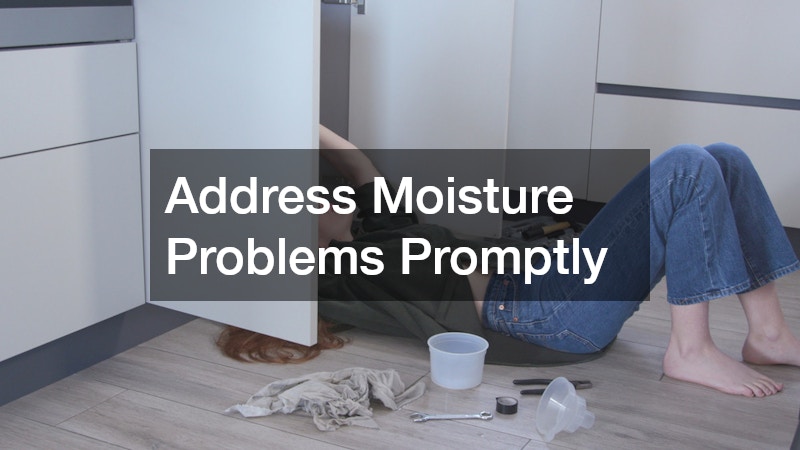
Hidden moisture problems, such as slow leaks behind walls or condensation in attics, can cause significant damage over time. Look for signs such as discoloration, peeling paint, musty odors, and warped surfaces, as these often indicate prolonged exposure to moisture. When water damage occurs, employing professional water damage cleaners can ensure that affected areas are properly sanitized, dried, and restored, reducing the risk of mold growth and long-term structural deterioration. These experts use specialized equipment such as high-capacity air movers, industrial dehumidifiers, and moisture meters, and can assess structural materials for safety and integrity. Infrared cameras and thermal imaging can detect hidden leaks or water pockets that are invisible to the naked eye, allowing for early intervention. For ongoing prevention, install dehumidifiers in damp basements, crawl spaces, or attics, maintain proper ventilation in bathrooms and kitchens, and regularly inspect plumbing and roof lines. Addressing moisture problems promptly prevents small issues from escalating into expensive repairs, preserves indoor air quality, and keeps your home safe, dry, and healthy for years.
Safely Handle Mold and Mildew
Mold, particularly black mold, poses serious health risks and can spread quickly if not addressed. Early detection is key, so watch for dark stains, a musty smell, or water-damaged areas that appear repeatedly damp. While minor mold patches can sometimes be treated with household cleaners, professional black mold removal is recommended for extensive infestations, as improper handling can release spores and worsen contamination. Experts not only remove mold safely but also treat affected surfaces, apply antimicrobial solutions, and recommend changes to prevent regrowth, such as improved ventilation, dehumidifiers, or upgraded insulation. Homeowners should inspect HVAC systems, ductwork, and crawl spaces, as mold spores can travel through air circulation and compromise indoor air quality. Controlling indoor humidity, repairing leaks promptly, sealing basement cracks, and maintaining proper drainage around your home are essential preventive measures. Additionally, storing firewood, fabrics, or cardboard away from damp areas can reduce potential mold growth. Addressing mold quickly not only protects your health but also prevents structural damage that can compromise your home’s safety, comfort, and long-term value.
Plan for Renovations and Basement Upgrades
If you’re considering basement finishing services or remodeling projects, planning for water protection is essential. Choose materials that are resistant to moisture, such as treated wood, water-resistant drywall, and sealed flooring. Work with a reputable remodeling contractor who understands moisture management and can implement waterproofing measures during construction. Properly finished basements can become functional living spaces while remaining protected from water intrusion. This includes installing vapor barriers, sealing concrete, and planning for adequate drainage and ventilation. For larger remodels, consider designing separate utility zones for appliances like washers and sump pumps to prevent incidental flooding. Taking a proactive approach during renovations ensures that your improvements do not inadvertently increase your home’s susceptibility to water damage and provides long-lasting comfort and safety for your family.
Develop a Water Damage Response Plan

Even with prevention measures in place, unexpected water damage can still occur. Developing a clear response plan allows you to act quickly and minimize harm. Identify shut-off valves for water, gas, and electricity, and ensure everyone in the household knows their locations and how to operate them safely. Keep emergency supplies such as buckets, towels, pumps, wet/dry vacuums, and dehumidifiers accessible. For significant leaks or flooding, contact water damage cleanup professionals immediately, as they have the tools and expertise to extract water efficiently, dry affected areas, and sanitize surfaces to prevent mold growth and structural deterioration. Take photos and videos of the damage for insurance purposes and maintain a list of trusted contractors, plumbers, and cleanup services to expedite repairs. Practicing emergency drills with household members helps everyone respond calmly and efficiently, reducing confusion and panic. A well-prepared response plan not only protects your property but also ensures that repairs can begin quickly, preventing secondary damage and keeping your home safe and functional.
Protecting your home from water damage requires a combination of vigilance, maintenance, and strategic planning. By inspecting and maintaining roofs, gutters, plumbing, and foundations, you can prevent many common issues before they escalate into costly repairs. Regular attention to moisture control, mold prevention, and storm preparedness further strengthens your home’s defenses, ensuring both safety and comfort. Whether you choose to tackle minor improvements yourself, such as sealing small cracks or cleaning gutters, or hire professionals for more complex tasks like waterproofing or plumbing upgrades, taking proactive measures ensures long-term safety and peace of mind. Additionally, keeping an emergency response plan, maintaining proper drainage, and monitoring indoor humidity levels are simple yet effective ways to reduce risk. Water damage may be inevitable in some situations, but with careful preparation, ongoing maintenance, and timely intervention, the impact on your home can be minimized, preserving its value, livability, and structural integrity for years to come.